Content options
There is a specific kind of entrepreneur who always seems to be two years ahead of everyone else. They are not necessarily smarter or better funded. They just read the signals earlier and move before the trend becomes obvious. In 2026, those entrepreneurs have already committed to a set of business strategies that the average business owner will still be debating in 2027. Here are the seven trends they are building around right now.
Trend 1: AI-Powered Operations Replace 30 Percent of Team Functions
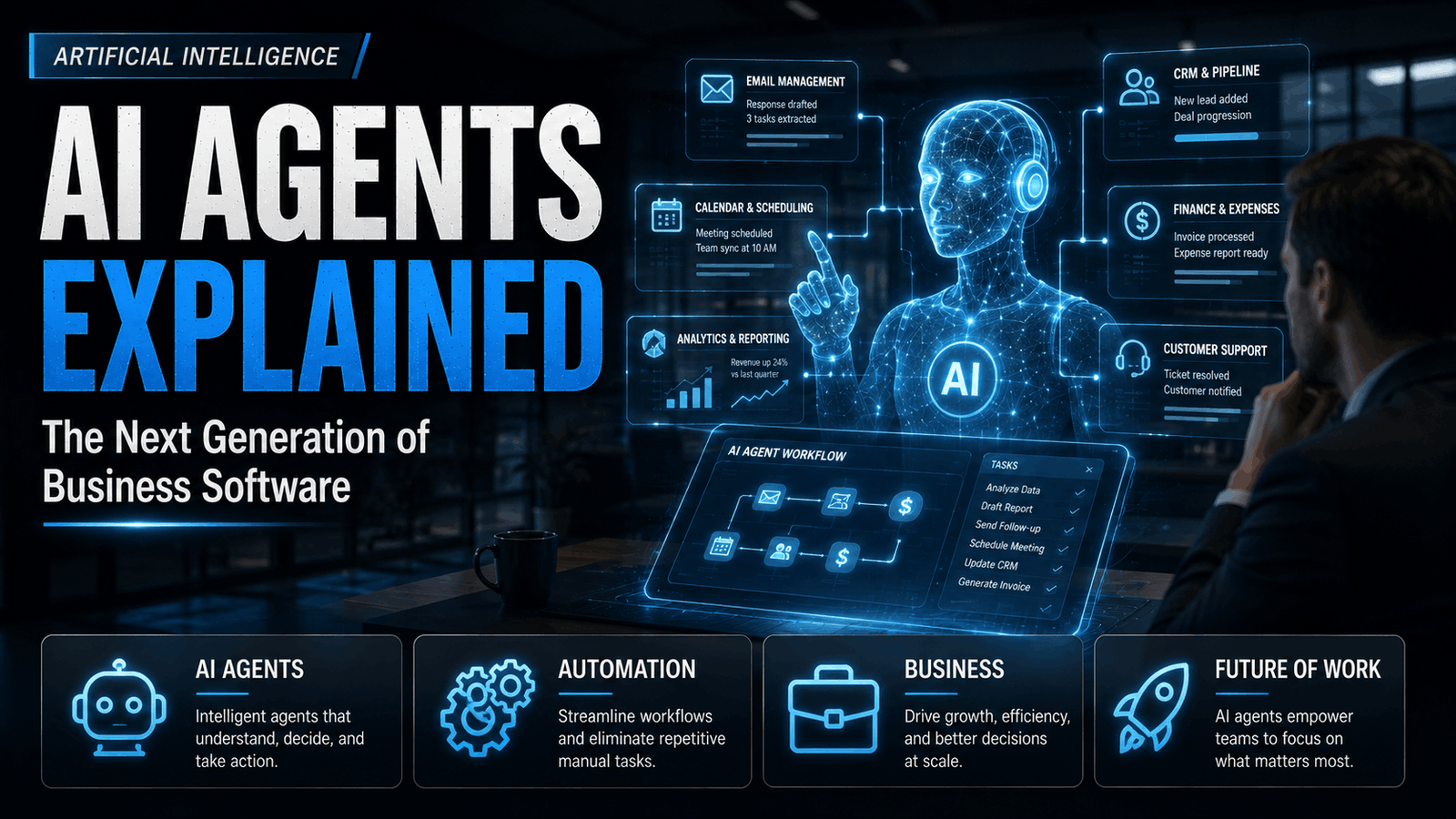
Smart entrepreneurs in 2026 are not just using AI tools. They are redesigning their entire operations around what AI handles automatically. Customer service, lead qualification, invoice processing, social media scheduling, financial reporting, and HR onboarding have all moved to AI systems that run 24/7 without management overhead. A team of five people running on AI infrastructure in 2026 produces what a team of fifteen produced in 2022. The competitive advantage this creates is not marginal. It is structural.
Companies using AI operations report 40 to 60 percent reductions in administrative costs, allowing entrepreneurs to reinvest those resources into product development and sales. According to McKinsey's 2026 State of AI in Business report, businesses that automate operations using AI tools grow revenue 2.3 times faster than those that do not.
Trend 2: Micro-Community Brands Outperform Mass Marketing
The era of trying to reach everyone is over. In 2026, the most profitable new businesses are built around tight, highly engaged communities of 500 to 50,000 people who deeply share a specific identity or interest. These micro-communities pay premium prices, refer aggressively, and churn less than customers acquired through traditional advertising. Subscription brands, private membership groups, and niche content ecosystems are all expressions of this trend. A brand with 10,000 passionate members consistently outperforms one with 1 million passive followers on every revenue metric that matters.
Trend 3: B-Corp and Sustainability as Competitive Advantage
Gen Z and millennial consumers in 2026 actively choose brands with verified sustainability commitments over those without. B-Corp certification, carbon neutrality pledges, and transparent supply chain reporting have moved from nice-to-have brand values to hard competitive differentiators. Investors increasingly require ESG (Environmental, Social, and Governance) reporting before writing checks. Banks offer better loan rates to businesses with strong sustainability scores. Smart entrepreneurs are not just doing this for ethics. They are doing it because it directly improves their access to capital and their ability to charge premium prices.
Trend 4: Fractional Work Models Replace Full-Time Hiring
The most effective businesses in 2026 are not hiring full-time employees for every function. They are building a small core team and surrounding it with fractional CFOs, fractional CMOs, fractional lawyers, and specialist contractors who work 10 to 20 hours per month. This model gives small businesses access to Fortune 500-level talent without the cost or administrative burden of full employment. Platforms connecting fractional executives to growing businesses are among 2026's fastest-growing B2B services. Read more business strategy on BlogofTime.com.
Trend 5 to 7: The Remaining Three Transformative Shifts
| Trend | What Smart Entrepreneurs Do | Result |
|---|---|---|
| Hyper-Personalization at Scale | Use behavioral AI to customize every customer touchpoint automatically | 3x higher conversion rates, 60% lower churn |
| Creator Economy Institutionalization | Build businesses around owned audience channels rather than rented social platforms | Predictable revenue, platform-independent growth |
| Data-as-Product Monetization | Treat the behavioral data their business generates as a sellable asset or licensing opportunity | New revenue streams from existing operations |