OTT vs cinema: the future of entertainment
The way we watch entertainment has changed more in the past five years than in the previous fifty. Netflix, Amazon Prime, Disney+, and dozens of regional platforms now command more screen time than traditional television and cinema combined. But does that mean the movie theater is dead? Not quite.
How OTT changed everything
OTT platforms created a new content economy. You no longer need to wait for a film to "come out" — content is always available, personalized by algorithm, and accessible on any device. The global OTT market was valued at $250 billion in 2024 and grows at 14% annually. Netflix alone has over 270 million subscribers across 190 countries.
Original content budgets rival Hollywood studios. Netflix spent $17 billion on content in 2024. Amazon, Apple TV+, and Disney+ together spent another $30 billion. This flood of premium content gives viewers more choice than ever — and gives creators direct access to global audiences without the studio gatekeeping of the past.
$250B
Global OTT market value (2024)
270M+
Netflix subscribers globally
$17B
Netflix content spend 2024
$33B
Global box office revenue 2024
Cinema is not dying — it is specializing. Blockbusters with visual spectacle (Marvel, Avatar, Mission Impossible) pack theaters. Dramas, comedies, and mid-budget films go straight to streaming where audiences are bigger and more diverse.
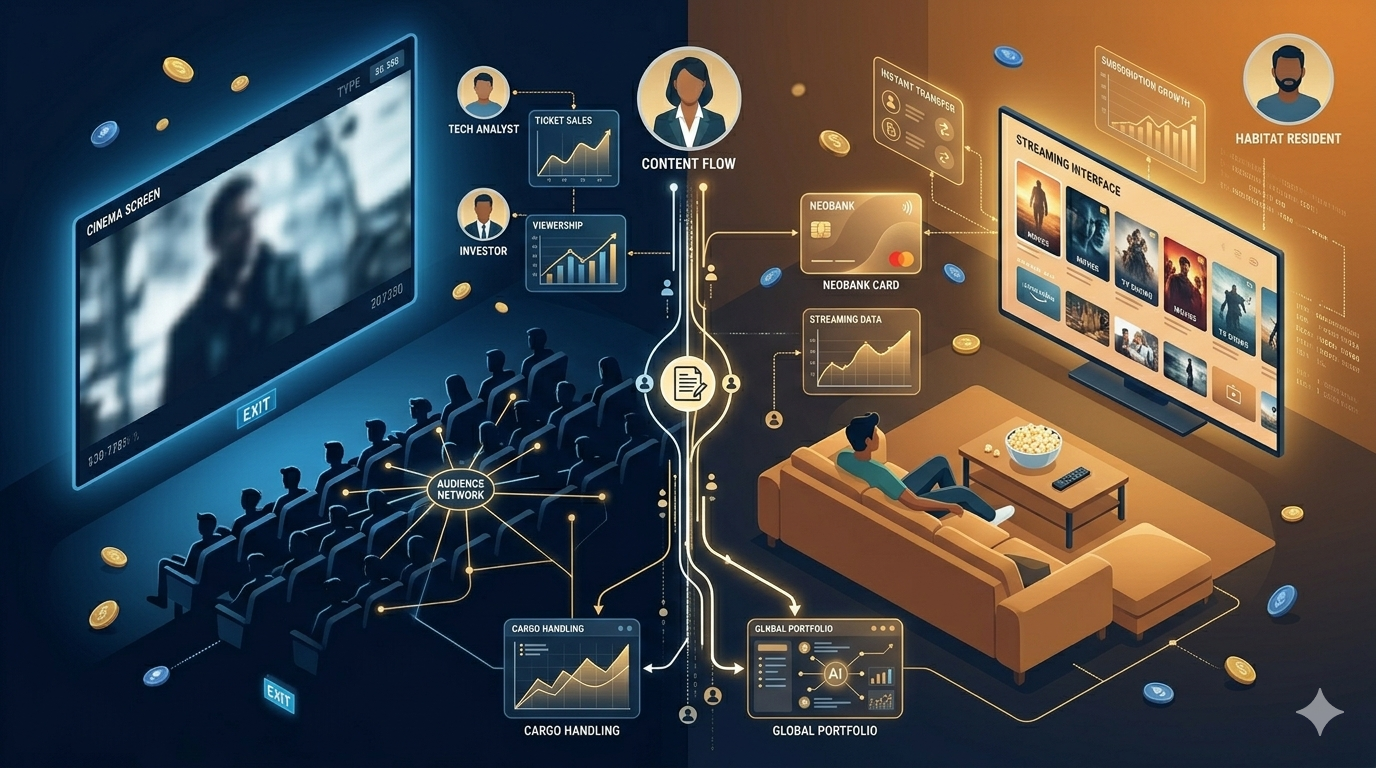
OTT vs Cinema: side by side
| Factor |
OTT Platforms |
Cinema |
| Content volume |
Thousands of titles always available |
New releases weekly |
| Avg cost per view |
$0.50–$1 (subscription basis) |
$12–$20 per ticket |
| Experience |
Personal, convenient, on demand |
Social, immersive, big screen |
| Revenue model |
Subscriptions + ads (AVOD) |
Box office + concessions |
| Content type winning |
Series, originals, niche films |
Spectacle blockbusters |
| Global reach |
190+ countries simultaneously |
Market-by-market rollout |
The hybrid future
The real future of entertainment is not OTT or cinema — it is both. Studios now stagger releases: theatrical first (45–90 days), then OTT. Some studios use OTT for mid-budget films and reserve theaters for visual spectacles. IMAX, Dolby, and premium formats are growing as cinemas fight back with experience differentiation.
In India, the dynamics are even more interesting. OTT adoption exploded post-COVID, but theatrical culture — especially for Bollywood and regional cinema — remains deeply embedded. India has the world's largest number of film releases annually, and many regional films now debut on OTT the same day as theater release.
The creator economy within OTT is the next frontier — platforms like Netflix and Amazon will increasingly surface independent creators alongside studio productions, blurring the line between YouTube and premium streaming.
Whether you prefer streaming from your couch or the shared thrill of a cinema screen, the
entertainment industry is evolving to serve both. The platforms, budgets, and content keep getting better — an exciting time to be a viewer. For more entertainment, technology, and media insights, explore
BlogofTime.com.
Frequently Asked Questions
Will OTT replace cinema completely?
No. OTT and cinema serve different needs. Streaming is winning in volume, convenience, and daily content. But cinema delivers a shared cultural experience that streaming cannot replicate — especially for blockbuster events, which consistently drive people to theaters.
Which OTT platform has the most content?
Amazon Prime Video has the largest library by volume. Netflix leads in premium original content and global subscribers. Disney+ dominates family and franchise content (Marvel, Star Wars, Pixar).
Why are movie theaters struggling?
Theaters face rising ticket prices, competition from home entertainment, shortened theatrical windows, and changing audience habits post-pandemic. Only event-scale blockbusters reliably fill seats, making mid-budget film economics challenging for exhibitors.
What is AVOD and why is it growing?
AVOD (Ad-Supported
Video on Demand) offers free or cheaper streaming in exchange for watching ads. Platforms like Netflix's Basic with Ads, Peacock, and Tubi are growing fast as consumers push back on subscription fatigue and stacking costs.
How is Indian OTT different from global platforms?
Indian OTT platforms like JioCinema, Hotstar, Zee5, and SonyLIV serve multilingual audiences across 22+ languages. Price sensitivity makes ad-supported free tiers dominant. Sports, especially cricket, drive massive platform adoption in India.