Content options
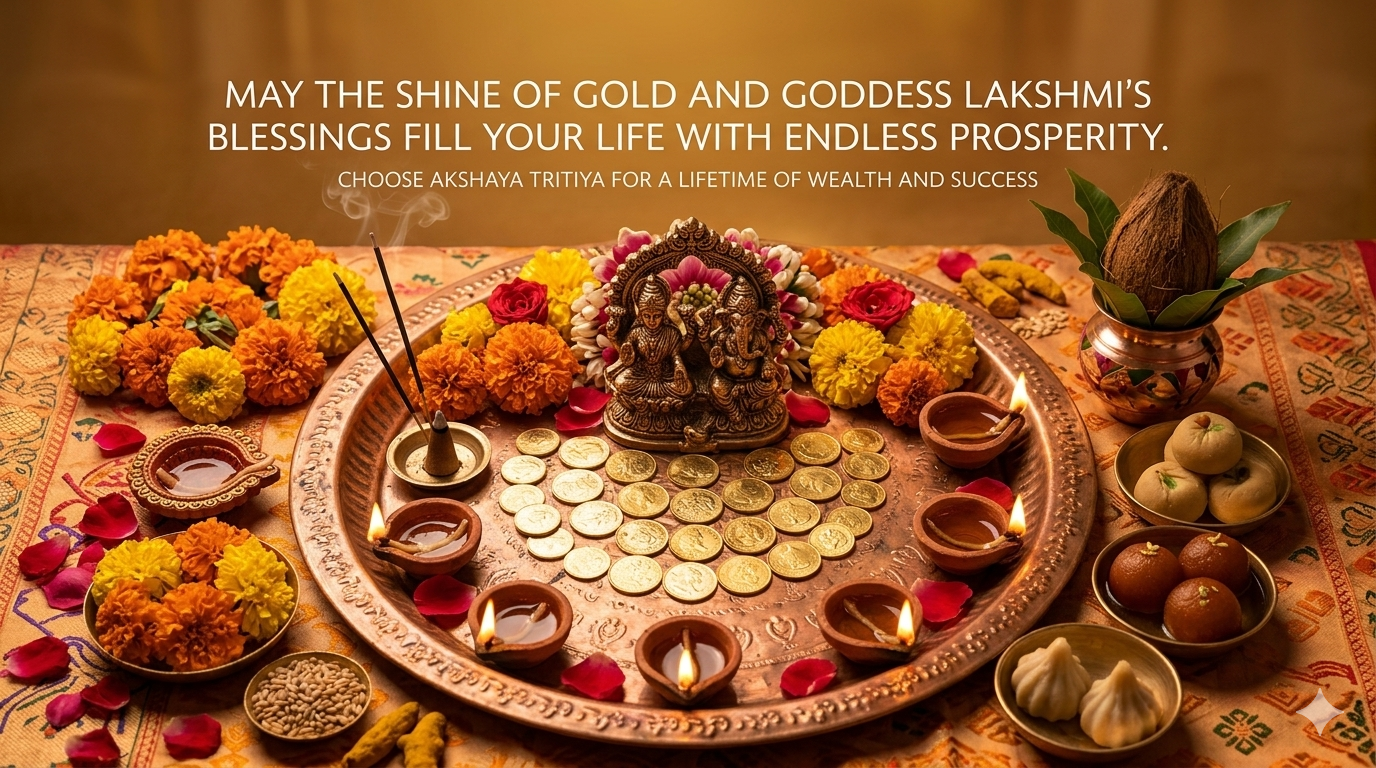
On Dhanteras, people buy gold, silver and metal utensils because the day is linked to wealth (dhan), the goddess Lakshmi and Dhanvantari, the physician of the gods. Buying something new in metal is believed to invite prosperity into the home for the year ahead. Nothing forces you to spend a lot: a small silver coin or a steel vessel counts just as well as a gold chain.
This guide explains the tradition in plain words, then helps you plan the purchase so that enthusiasm on the day does not turn into an overspend. Dhanteras in 2026 is expected on Friday, 6 November 2026, two days before Diwali, but check your local panchang for the exact tithi and timings.
Key takeaways
- Dhanteras marks the start of the Diwali festival days. Buying gold, silver or utensils is a tradition and a belief, not a rule.
- Set a total budget first, then split it across gold, silver and a utensil. A small coin is enough to keep the custom.
- For gold jewellery, insist on a BIS hallmark and a proper itemised bill showing the rate, making charges and GST.
- If your aim is wealth-building rather than ritual, compare gold with other options before you spend a large sum.
What is Dhanteras and why is it linked to wealth?
The word joins dhan (wealth) and teras (the thirteenth day of the lunar fortnight). It falls on the thirteenth day of the dark fortnight in the Hindu month of Kartik by the Purnimanta calendar, or Ashwin by the Amanta calendar followed in Gujarat. It opens the five-day Diwali stretch.
Two stories explain the day. In the first, Dhanvantari emerged with a pot of amrit during the churning of the ocean (Samudra Manthan), so the day is tied to health and wellbeing as well as money. In the second, a folk tale says the young son of King Hima was saved from death when his wife piled gold, silver and lamps at the door and sang through the night, so that Yama, the god of death, turned away.
Many families also worship Lakshmi and Kubera, the keeper of wealth, in the evening. The lamp lit for Yama, often at the doorstep, is a quieter part of the day that many people skip but older relatives still keep.
Why are gold and silver bought on Dhanteras?
Metals stand for the idea of wealth that stays. Gold has long been seen as the most stable store of value in Indian households, and silver is linked to the moon and to coolness and calm in traditional thinking. Buying them on this day is meant to bring Lakshmi into the home.
There is also a plain practical side. Gold and silver are things a family can hold, pass on and sell in a pinch. Utensils of brass, copper or steel are bought because they are useful every day and still count as a metal purchase.
Is it auspicious to buy gold on Dhanteras?
That depends on belief. Within tradition, yes: it is considered one of the most auspicious days of the year to buy gold. There is no financial evidence that the purchase on this specific day improves your returns, and gold prices on the day can be higher because demand is high. If the tradition matters to you, buy a small amount with a clear conscience. If your goal is investment, treat Dhanteras as a ritual and do the investing on a calmer day.
What is the shubh muhurat for Dhanteras 2026?
The puja muhurat is usually in the evening, in the Pradosh Kaal after sunset, when the thirteenth tithi is in force. Exact timings differ by city, so we are not quoting a clock time here. Look up the muhurat for Ahmedabad, Surat, Rajkot or wherever you live from a trusted local panchang or your family priest.
For buying, many families treat the whole day as favourable while the tithi lasts, and some prefer to buy in the morning and keep the evening for the puja. When the tithi spans two calendar days, the guidance can differ between panchangs. Follow the one your family usually uses.
How should you split a Dhanteras budget? A worked example
Decide the total first. Here is an illustration for a household that sets aside ₹60,000. The prices below are assumptions made for the arithmetic only. Replace them with that day's rate from your jeweller.
- Assumed gold rate: ₹12,000 per gram. Assumed silver rate: ₹150 per gram.
- Gold coin of 2 g: 2 × 12,000 = ₹24,000. Making charge at an assumed 4% = ₹960. Subtotal ₹24,960. GST at 3% = ₹748.80. Total about ₹25,709.
- Silver coin or small idol of 100 g: 100 × 150 = ₹15,000. Making charge at an assumed 6% = ₹900. Subtotal ₹15,900. GST at 3% = ₹477. Total ₹16,377.
- Utensil (a brass or steel item): ₹10,000.
Add them up: 25,709 + 16,377 + 10,000 = ₹52,086. That leaves ₹60,000 − ₹52,086 = ₹7,914 for lamps, sweets, rangoli colours and puja items, or for any rate movement on the day.
The point of the exercise is the order of decisions. You fix the ceiling, you see the real price with making charges and tax, and the leftover shows you what you can still afford. Without it, people often walk in with ₹25,000 in mind and leave with a ₹45,000 bill.
Gold, silver or utensils: which makes more sense?
| Option | Best for | Watch out for |
|---|---|---|
| Gold coin or bar | Tradition plus a store of value; low making charge | Buy from a trusted jeweller or bank; keep the bill and purity details |
| Gold jewellery | Wearing and gifting, weddings | Making charges often run from single digits to over 20% for intricate designs, and are rarely recovered on resale |
| Silver coin or idol | A lower-cost way to keep the custom | Check purity (fine silver or 925 sterling) and weight on the bill |
| Utensils | Daily use, gifting, small budgets | Little or no resale value; GST rates differ by item, so read the bill |
For most salaried households, a small gold coin plus one silver item or utensil gives the full feeling of the day without tying up large savings. Jewellery makes sense when you actually plan to wear it. Paying heavy making charges for something that will sit in a locker is the costliest way to observe the tradition.
If you also want gold as an investment, it helps to see how it compares with other options after tax. Our post-tax comparison of FD, mutual funds and gold on ₹1 lakh lays that out.
What should you check before paying?
- Hallmark. Gold jewellery sold in India should carry a BIS hallmark with a six-character HUID. Ask the jeweller to show it, and check the purity (22K or 24K) printed on the bill.
- The day's rate. Ask for the rate per gram and compare it with one other jeweller. Rates can differ a little between shops.
- Itemised bill. It should list weight, rate, making charge, GST and the final total. Keep it safe for insurance and resale.
- Making charge. Ask whether it is a percentage or a flat amount per gram, and whether it is negotiable. For coins it is usually lower.
- Buyback terms. Ask what deduction applies if you sell the item back and whether the shop takes back items bought elsewhere.
- Payment mode. Pay by UPI, card or bank transfer where possible. Cash dealing of ₹2 lakh or more in a single transaction is restricted under income tax rules, and PAN is required for large purchases. Check the current rules with a CA if you are unsure.
What about digital gold and gold ETFs?
Some people buy digital gold through apps on Dhanteras for convenience. It is sold by platforms and is not the same as a SEBI-regulated gold ETF, so read the terms, storage and fees carefully. SEBI has publicly cautioned investors about digital gold products. You can read about market regulation on the SEBI website. A financial advisor can help if you are weighing this as an investment rather than a ritual.
A Gujarat-style Dhanteras checklist
In Gujarat, Dhanteras sits inside a tight run of days: Dhanteras, Kali Chaudas, Diwali with Lakshmi Pujan and Chopda Pujan, then Bestu Varas, the Gujarati new year, and Bhai Beej. The Vikram Samvat year beginning after Diwali 2026 is expected to be Samvat 2083. Here is a checklist that fits that rhythm.
- Fix the budget and the split a week before, using the example above.
- Pre-book the coin or idol with your jeweller if you want a specific design, since the busiest hours on the day mean long queues.
- Note the puja muhurat from your family panchang and plan the shopping around it.
- Buy the new chopda (account book) or diary for business families. Many traders place the order early so it is ready for Diwali.
- Clean and decorate the entrance: rangoli, toran and a few diyas, including one for Yama at the door.
- Keep the new item with the Lakshmi photo or yantra for the puja, then store it safely afterwards.
- Plan the next few days: Kali Chaudas, Diwali, Bestu Varas visits, so the festive spending does not all land on one day.
Bank holidays and deadlines also cluster around this period. Our November 2026 due dates checklist helps you avoid clashes with tax and bank dates.
Common Dhanteras buying mistakes
Buying on impulse is the big one. Shops run offers such as zero making charge or free coins, and these often shift the cost elsewhere, such as a higher rate or a minimum purchase.
Another is treating jewellery as an investment. Because of making charges and wastage, you rarely get the full amount back when you sell. Some buyers also forget to ask for the bill, which causes trouble for resale, insurance and warranty claims on utensils.
Finally, many people stretch with credit or EMI to match a neighbour. A smaller purchase paid from savings keeps the day happy. If tracking festive spending is hard, a budgeting app can help, and we compare options in our budgeting apps review.
Myth vs fact
- Myth: You must buy gold or the year will be unlucky. Fact: The tradition counts any metal item, including a steel utensil or a small silver coin.
- Myth: Gold bought on Dhanteras always grows in value. Fact: Prices rise and fall. The day does not change that, and no one can promise returns.
- Myth: Bigger purchase, bigger blessing. Fact: Families have always kept the custom within their means.
FAQ
Why do people buy gold on Dhanteras?
It is linked to the worship of Lakshmi and Kubera and the belief that buying metal on this day brings prosperity. Gold is also a long-trusted store of value in Indian households.
Can I buy silver instead of gold on Dhanteras?
Yes. Silver coins, idols and utensils are popular and cost far less, so they suit smaller budgets. The tradition is about the act of buying something new in metal, not a minimum amount.
What is the date of Dhanteras 2026?
It is expected on 6 November 2026, two days before Diwali. Confirm with a local panchang, as the tithi timings differ by city.
What if I cannot afford gold this year?
A steel or brass utensil, a small silver coin or even a new broom or diya is accepted in many households. Spending beyond your means is the opposite of what the day stands for.
Is it safe to buy gold online on Dhanteras?
It can be, if you buy from a known seller and check purity, price, delivery and return terms. For physical gold, look for the BIS hallmark. For digital gold, read the platform's terms and ask whether it is regulated.
Bottom line
Dhanteras is a day of intention, and the purchase can be modest. Set your total, split it using the example above, check the hallmark and the bill, and keep some room for the rest of the Diwali days. Your next step is simple: write down a ceiling today and ask your jeweller for the exact rate and making charge before the crowd arrives.