Content options
Science rarely announces its breakthroughs with fanfare. The most important discoveries often appear as dry academic papers with impenetrable titles, quietly published in journals that most people will never read. But their effects eventually reach into every life — in medicine, in energy, in the materials that build our world, and in our understanding of what is even possible. In 2026, several genuine turning points have arrived at once, and they deserve the clear-eyed attention that the noise of daily news rarely gives them.
GLP-1 Drugs Reveal They Do Far More Than Control Weight
Ozempic, Wegovy, and their successors were approved as weight loss and diabetes treatments. In 2026, the scientific picture expanding around GLP-1 receptor agonists is almost shocking in its scope. Clinical trials show these drugs reduce cardiovascular event risk by 20 percent independent of weight loss. Separate trials show significant reduction in alcohol and addictive substance cravings. Early neurological research suggests potential benefits in neurodegeneration. These drugs are becoming one of the most consequential pharmacological discoveries in decades — not for the reason everyone initially focused on, but for a cascade of secondary mechanisms that researchers are still mapping.
Alzheimer's Disease Finally Has Treatments That Work
For decades, Alzheimer's disease had no effective disease-modifying treatment. Drugs managed symptoms but could not slow the disease's progression. In 2026, lecanemab and donanemab — amyloid-targeting antibody drugs approved by the FDA — are demonstrating real, measurable slowing of cognitive decline in early-stage Alzheimer's patients in broader clinical use. They are not cures. But they are the first drugs in history to actually alter the Alzheimer's disease course rather than just manage its symptoms. For the 55 million people globally living with dementia, this represents a genuine turning point.
Nuclear Fusion Inches Closer to Commercial Reality
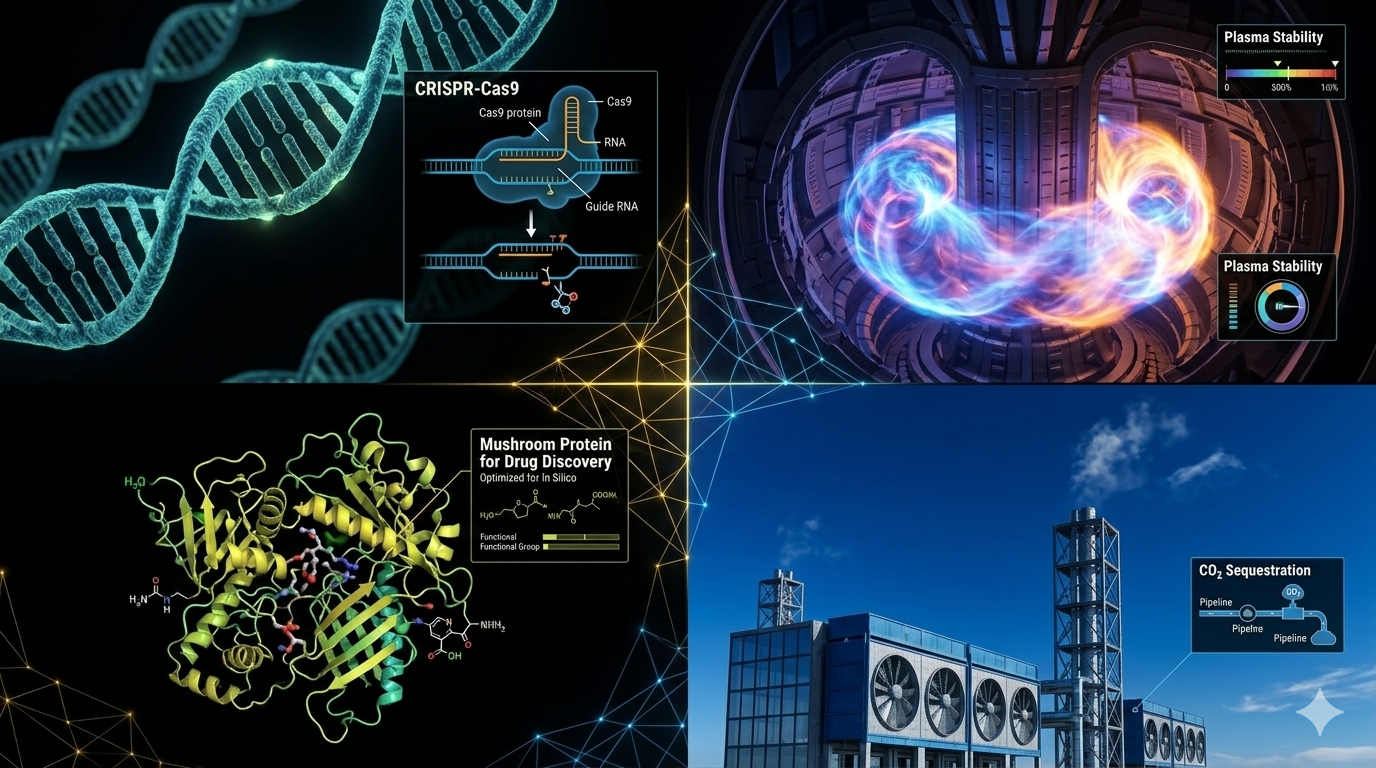
The National Ignition Facility at Lawrence Livermore National Laboratory achieved net energy gain in fusion reactions multiple times in 2022 to 2024. In 2026, several private fusion companies including Commonwealth Fusion Systems, TAE Technologies, and Helion Energy have reactors in advanced testing stages, with Commonwealth Fusion's SPARC device demonstrating the highest magnetic field strengths ever achieved in a fusion context. Commercial fusion power is still a decade away but the scientific barriers that once made it seem impossible have been breached. According to the US Department of Energy, fusion investment in the private sector exceeded $7 billion between 2022 and 2026. Stay updated at BlogofTime.com.
| Breakthrough | What It Means | Timeline to Impact |
|---|---|---|
| CRISPR Gene Therapy — First Approved Treatments | Sickle cell disease and beta-thalassemia cured in clinical populations | Available now for eligible patients |
| Direct Air Carbon Capture Scale | First plants capturing 1 million tonnes per year economically | Scaling rapidly from 2026 onward |
| Brain Organoid Research | Lab-grown brain tissue models accelerate neurological drug discovery | Transforming pharma R&D over next 5 years |
| mRNA Vaccines for Cancer | Personalized mRNA cancer vaccines showing 44% recurrence reduction in trials | Phase 3 trials ongoing, approval expected 2027 to 2028 |