Are we going to Mars soon? What the real plans say
Mars has fascinated humanity for centuries. In 2026, going there is no longer science fiction — it is a serious engineering challenge with real timelines, funded missions, and competing national programs. But the path is harder than the headlines suggest.
SpaceX leads the charge
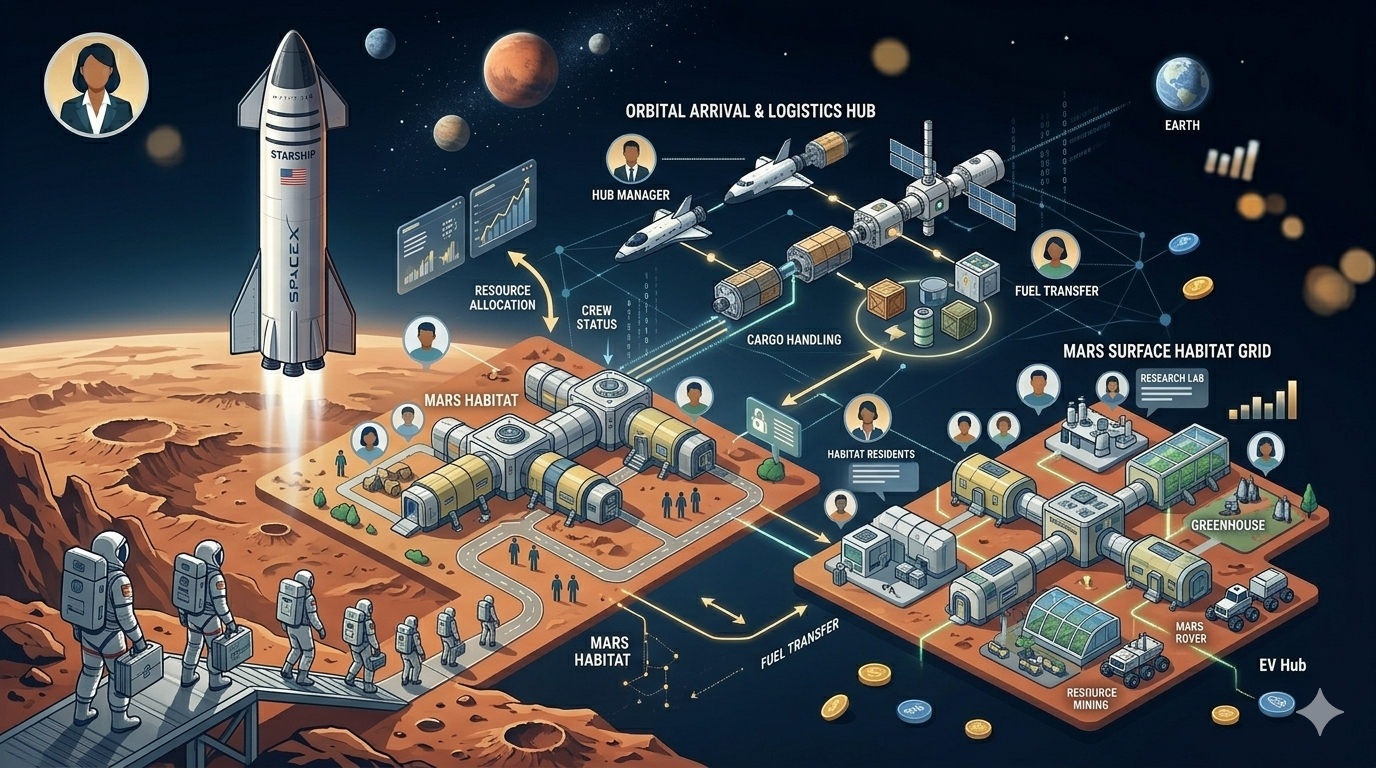
Elon Musk's SpaceX is the most aggressive player in the Mars race. The Starship rocket — designed specifically for Mars colonization — has completed multiple orbital test flights. SpaceX's official target is a crewed Mars landing between 2029 and 2031, though most aerospace analysts expect 2033 to 2035 is more realistic given the engineering challenges remaining.
NASA's Moon-first strategy
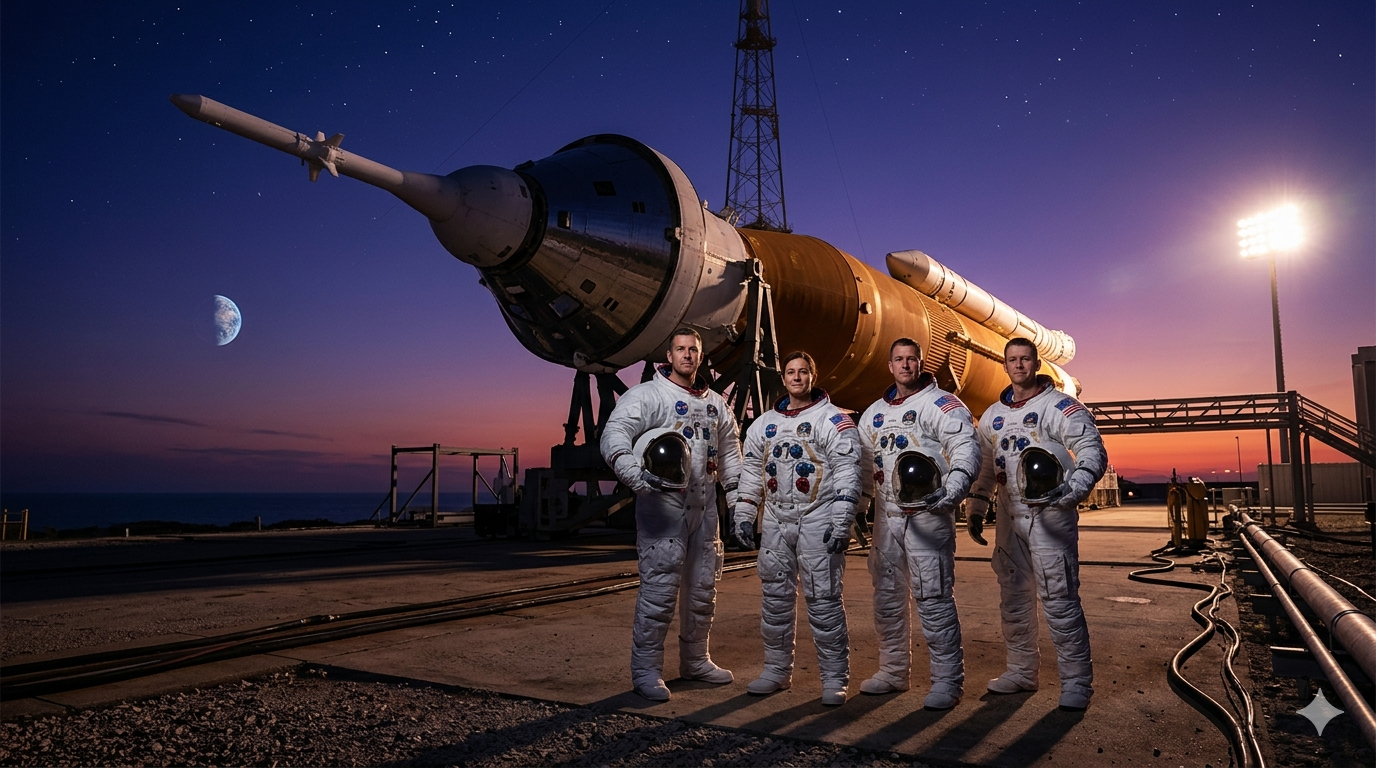
NASA's approach is methodical. The Artemis program returns humans to the Moon by 2027, then uses lunar experience to develop Mars mission capabilities. NASA formally targets a crewed moon to Mars mission in the late 2030s. It is slower and more expensive than SpaceX, but it carries decades of institutional knowledge and international partnerships.
7 mo
Travel time from Earth to Mars (minimum)
2033
China's crewed Mars landing ambition
$10B+
Estimated cost of first crewed Mars mission
The biggest challenge for Mars missions is not the rocket — it is keeping humans alive for 7 months in deep space with high radiation, zero gravity, and no resupply missions possible.
Mars mission comparison: who is going and when?
| Agency/Company |
Crewed Mars Target |
Rocket |
Strategy |
Status |
| SpaceX |
2029–2031 (optimistic) |
Starship |
Direct to Mars |
Active testing |
| NASA |
Late 2030s |
SLS + commercial |
Moon-first |
Artemis phase |
| China CNSA |
2033 |
Long March 9 |
Robotic first |
Planning stage |
| ESA (Europe) |
2040s |
Partnership |
Collaborative |
Research phase |
The real challenges ahead
Radiation is the most serious threat. Without Earth's magnetic field protection, astronauts on a Mars mission receive radiation doses equivalent to 15–20 chest X-rays per day. Shielding solutions — using water walls, polyethylene, or Martian regolith — are still being engineered.
Landing is another hurdle. Mars's thin atmosphere provides only 1% of Earth's air pressure, making parachutes ineffective for heavy spacecraft. SpaceX plans to use powered descent — a supersonic retropropulsion system — to land Starship safely.
Mars exploration is the greatest engineering challenge humanity has ever attempted. Solving it will require breakthroughs in propulsion, life support, radiation shielding, and in-situ resource utilization simultaneously.
The Mars race is real, ambitious, and closer than most people think — even if "soon" in space terms means a decade away. Understanding the technology, the players, and the challenges helps us appreciate one of humanity's greatest adventures. For more space, science, and technology insights, keep exploring
BlogofTime.com.
Frequently Asked Questions
When will humans land on Mars?
The most credible timeline places a crewed Mars landing between 2033 and 2037, depending on whether SpaceX or NASA leads. SpaceX targets 2029–2031, but most experts see this as overly optimistic given unresolved engineering challenges.
What are the biggest challenges of going to Mars?
Radiation exposure during the 7-month journey, landing heavy spacecraft on Mars's thin atmosphere, life support in isolation, food production, and the 20-minute communication delay with Earth are the main challenges.
Has SpaceX's Starship been tested for Mars missions?
Starship has completed orbital test flights and continues development. Full Mars mission capability — including propellant production on Mars for return trips — is still years away from being proven.
Can humans survive on Mars long-term?
Mars has no breathable atmosphere, extreme cold, high radiation, and perchlorates in the soil. Long-term survival would require pressurized habitats, radiation shielding, controlled agriculture, and in-situ water extraction from ice.
Is China a serious competitor in the Mars race?
Yes. China successfully landed the Zhurong rover on Mars in 2021. Its 2033 crewed Mars goal is backed by significant government funding and rapid rocket development, making it a genuine competitor.