Advertisement
Automobile April 14, 2026

Electric Vehicles in 2026: Are They Actually Worth It Now?

Yes, electric vehicles are worth buying for most urban and semi-urban Indian consumers in 2026. The total cost of ownership over 5 years is now lower than an equivalent petrol vehicle for buyers who drive more than 60 kilometres per day, thanks to lower fuel costs, reduced maintenance expenses, and government FAME subsidies. EV ranges have improved significantly, charging infrastructure has expanded dramatically in major cities, and solid-state battery technology entering commercial production is further extending range and reducing charge times. The main remaining constraints are charging access for apartment dwellers and long-distance highway driving convenience.

Electric Vehicles in 2026: Are They Actually Worth It Now?

The electric vehicle conversation in India has been going on for years. Every year, someone in your family asks if it is finally time to make the switch. Every year, there are new reasons to wait and new reasons to go ahead. In 2026, for the first time, the answer for most Indian urban and semi-urban buyers has shifted clearly from "not yet" to "yes, probably now."

But probably is not certainly. Let us go through the actual numbers and real-world conditions to give you an honest answer that works for your specific situation.

20%
Share of new cars sold globally that are electric in 2026
50%
Lower running cost per km for EVs vs petrol in India
550km
Real-world range of best-selling EVs available in India 2026
30min
Time to 80% charge at DC fast charger in 2026

The Total Cost of Ownership Case for EVs in India

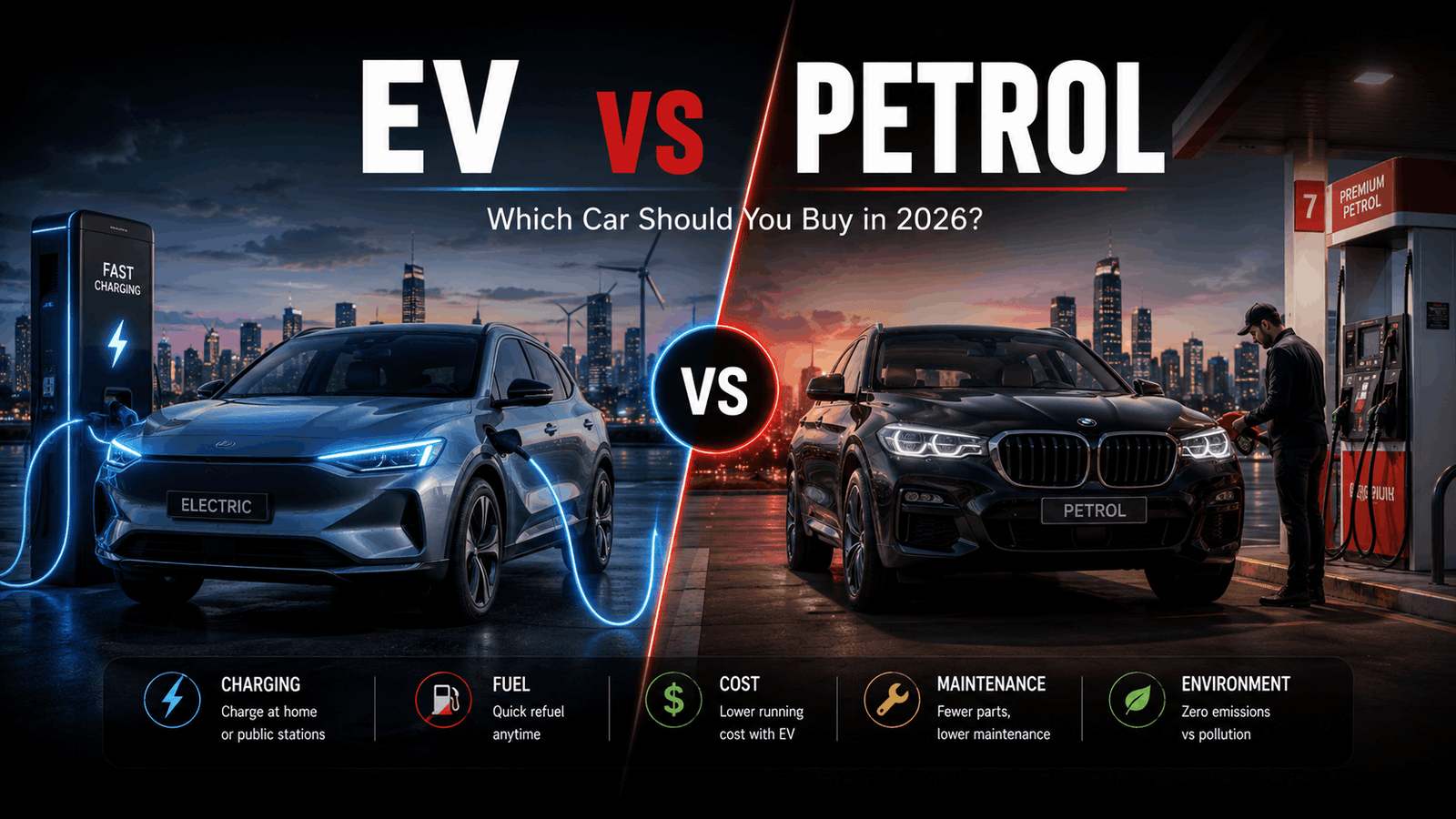
The purchase price gap between EVs and equivalent petrol cars in India is closing in 2026 but has not fully disappeared. A Tata Nexon EV costs approximately Rs 14 to 19 lakh, while a comparable petrol Nexon starts around Rs 8 to 13 lakh. However, the total cost of ownership picture over five years tells a different story. Running cost per kilometer for a petrol car at Rs 100 per litre is approximately Rs 7 to 8. For an EV charged at home on overnight electricity tariffs, this drops to Rs 1 to 2 per kilometer. On 60 km of daily driving, that saves approximately Rs 3,600 per month — or Rs 2.16 lakh over five years. Add lower maintenance costs (no engine oil, fewer brake replacements due to regenerative braking, fewer moving parts) and the total ownership cost for urban high-mileage drivers firmly favors the EV in 2026.

The Charging Infrastructure Reality in 2026

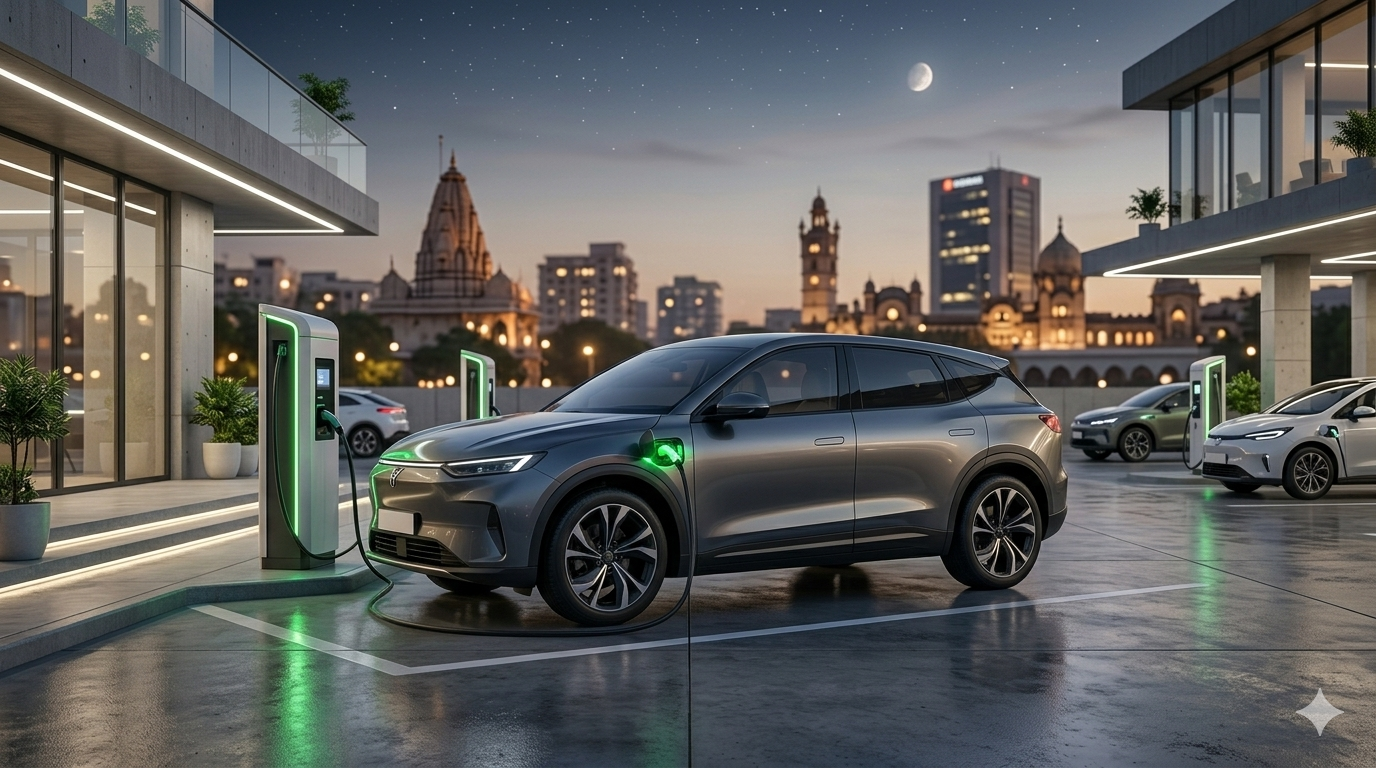
Charging infrastructure in India's major cities has improved dramatically. Delhi, Mumbai, Bengaluru, Pune, Hyderabad, and Chennai all have functional public DC fast-charging networks. NHAI has deployed EV charging at highway rest stops along major national highway corridors. Still, the truth is that home charging (a standard 15-amp socket delivers 8 to 10 hours to full charge overnight) remains the foundation of EV ownership satisfaction in India. This makes apartment dwellers in older buildings the most challenged group. If your apartment society does not allow individual charging points — or the building's electrical system cannot support them — the EV case weakens significantly. According to India's Ministry of New and Renewable Energy, apartment building charging regulations and support are active policy priorities for 2026 to 2027. Stay informed with our auto coverage at BlogofTime.com.

EV Buyer Profile Should They Buy an EV in 2026? Key Reason
Urban daily commuter with home charging Yes — strong case Fuel savings exceed price premium in 3 to 4 years
Apartment dweller without charging access Wait for building infrastructure Public charging inconvenient for daily needs
Highway long-distance driver Partially — plan routes carefully Highway charging improving but not yet seamless
Small business fleet operator Yes — significant fleet economics Per-km cost reduction transforms fleet economics
First car buyer on tight budget Consider EV two-wheeler first Cost premium still significant in entry car segment
 

Frequently Asked Questions

Are EVs cheaper to maintain than petrol cars?

Yes. EVs have significantly lower maintenance costs because they have far fewer moving parts. No engine oil changes, no coolant replacements, less brake wear due to regenerative braking, no transmission fluid, and no spark plugs. The main maintenance items are tires, brake fluid, wiper blades, and battery monitoring. Most EV owners save Rs 20,000 to Rs 40,000 per year on maintenance compared to equivalent petrol vehicles.

How long do EV batteries last in India?

Modern EV batteries are warranted for 8 years or 160,000 km in India, whichever comes first. Real-world data shows most batteries retain 80 percent or more capacity at the end of warranty periods. India's hot climate does accelerate battery degradation slightly compared to temperate climates, which is why parking in shade and avoiding frequent DC fast charging as your primary charging method extends battery life.

What is the best EV to buy in India in 2026?

The Tata Nexon EV, Tata Tiago EV, MG ZS EV, and Hyundai Ioniq 5 represent strong options across different budget segments in 2026. For two-wheelers, Ola S1 Pro, Ather 450X, and TVS iQube are leading choices. The best option depends on your daily distance, charging access, and budget. We recommend test-driving at least two options and calculating your specific total cost of ownership before deciding.

Can I take an EV on a long road trip in India in 2026?

Yes, with planning. The Delhi to Agra, Mumbai to Pune, and Bengaluru to Mysore corridors are now well-served with fast chargers. Other major national highway routes have coverage at most key stops. NHAI and Tata Power, Ather, and Charge Zone networks have expanded significantly. The key is to plan your route using charging network apps before departure, as coverage remains uneven on less traveled roads.

How does an auto title loan work for an electric vehicle?

An auto title loan for an electric vehicle works the same way as for any vehicle. The vehicle's registration title is used as collateral for a short-term loan. The loan amount is based on the EV's assessed market value. One consideration unique to EVs is that battery health significantly affects resale value — a lender may factor battery state of health into the vehicle valuation. Always ensure your EV's battery warranty documentation is complete and accessible.
Advertisement
33 views 0 shares
S

Written by

Super Admin

Staff writer at Blog of Time, covering the latest insights and trends.

View all posts

Comments

Be the first to share your thoughts on this article

Advertisement