Online courses vs degrees: what actually matters in 2026
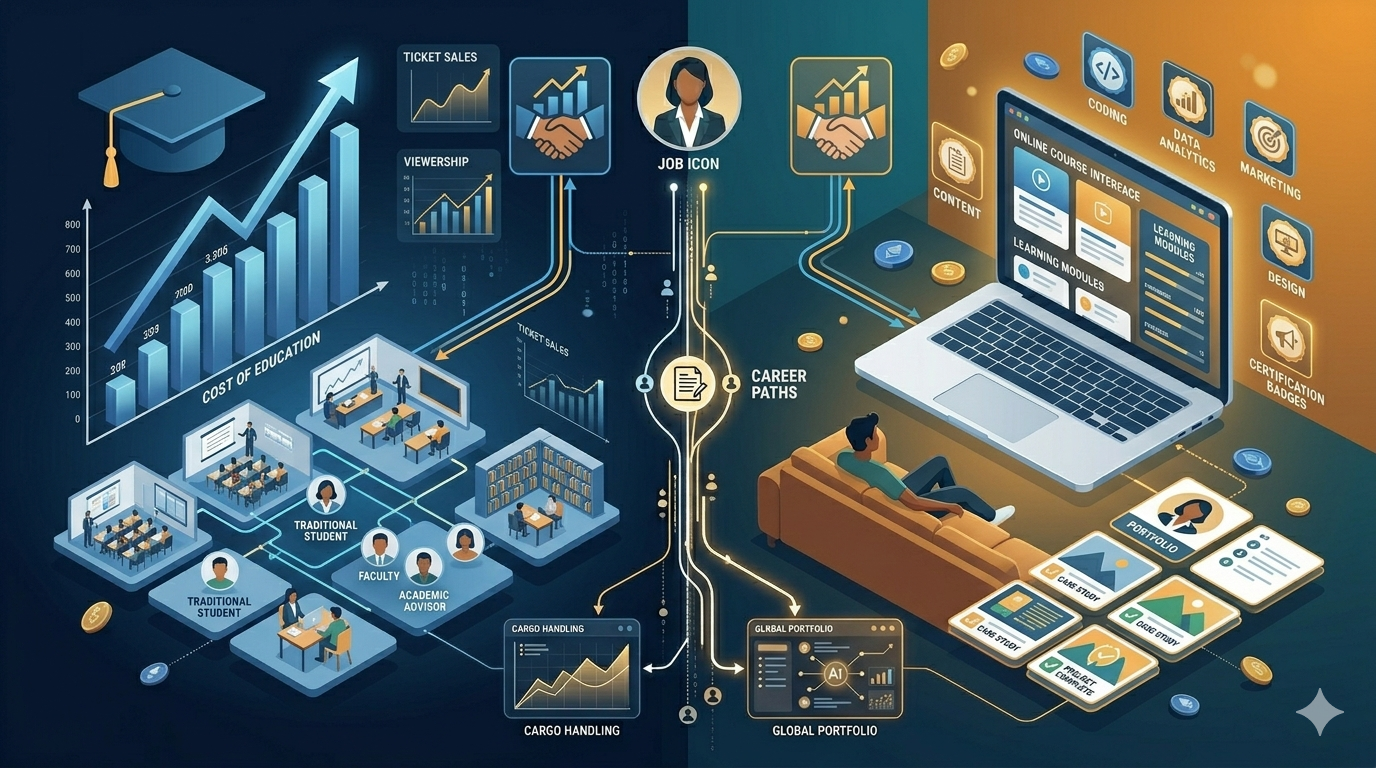
A college degree used to be the only ticket to a professional career. In 2026, that is no longer true across most industries. Skills-first hiring, employer-led credentials, and the rise of online learning platforms have reshuffled what employers actually value when reviewing candidates.
This does not mean degrees are worthless — but it does mean the decision is more nuanced than ever.
The skills-first revolution
Over 55% of Fortune 500 companies have dropped degree requirements for most roles as of 2025. IBM, Google, Apple, Bank of America, and Delta Airlines are among those that now explicitly evaluate candidates on demonstrated skills rather than academic credentials. This shift happened because companies found that degree requirements were excluding high-quality candidates — particularly those from underprivileged backgrounds who could not afford college.
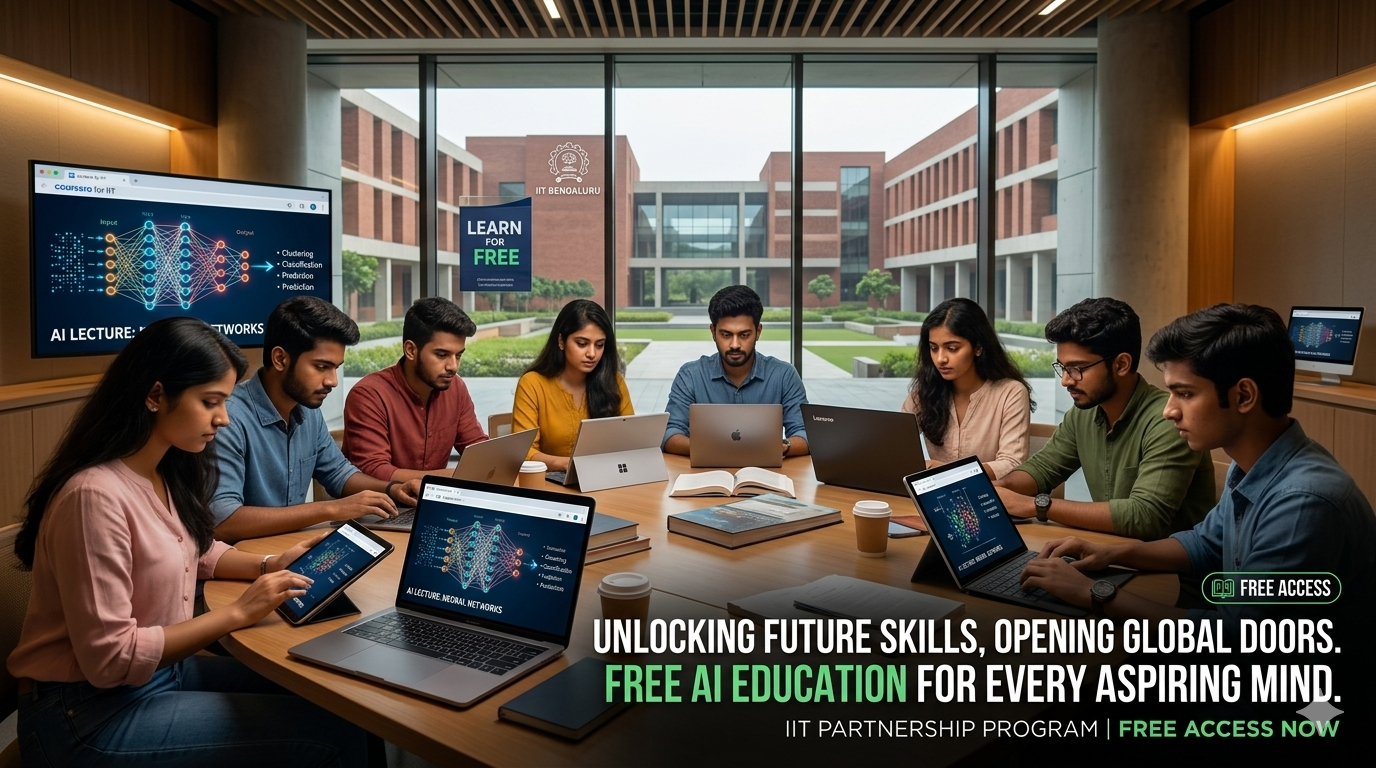
Certifications from Google, AWS, Coursera, and LinkedIn Learning now carry real hiring weight in tech, data, and marketing roles. A Google Data Analytics Certificate or AWS Solutions Architect certification can open doors that a generic bachelor's degree in business cannot.
55%+
Fortune 500 companies dropping degree requirements
$37,650
Avg annual US college tuition (private universities)
$0–$400
Cost of most professional online certifications
900M+
Learners on Coursera, edX, and Udemy combined
Your portfolio and demonstrated skills matter more than your diploma in software development, UX design, digital marketing, data analysis, and content creation — fields that collectively employ tens of millions globally.
Degrees vs online courses: comparison by goal
| Career Path |
Degree Needed? |
Online Course Effective? |
Recommended Path |
| Software engineering |
Not required |
Yes (bootcamp + projects) |
Bootcamp or CS degree |
| Medicine / law |
Essential |
Supplementary only |
Degree required |
| Data science |
Preferred |
Yes (certifications) |
Degree + certifications |
| Digital marketing |
Not required |
Very effective |
Online certifications |
| Graphic design / UX |
Not required |
Yes (portfolio first) |
Courses + strong portfolio |
| Academia / research |
Essential (PhD) |
Supplementary only |
Full academic path |
The real value of a degree in 2026
Degrees still offer things online courses do not: a structured 4-year learning experience, campus networks, internship pipelines, research opportunities, and the social credential that still matters in consulting, finance, and certain government roles. A degree from a top university still signals something to employers in those fields — just less universally than it once did.
The best strategy for most people in 2026 is blended: a degree (or bootcamp) as foundation, continuously supplemented by certifications, online courses, and real projects that build a demonstrable portfolio.
The ROI question matters most: A $180,000 degree in history vs a $1,500 coding bootcamp leading to a $85,000 software job is a very different equation. Always evaluate education through the lens of career outcome and debt burden.
In 2026, your skills, portfolio, and commitment to learning matter more than the name on your diploma for most careers. The best education combines structured learning with real-world application — whatever path gets you there. For more career, education, and learning strategy content, visit
BlogofTime.com.
Frequently Asked Questions
Do employers still require college degrees in 2026?
Many large employers have dropped degree requirements for most roles. Tech companies, retail giants, and financial firms now evaluate candidates based on demonstrated skills, certifications, and project portfolios in most non-specialized roles.
Are online certificates as valuable as degrees?
In fields like digital marketing, data analytics, cloud computing, and UX design, professional certificates from Google, AWS, or Coursera carry significant hiring weight. In medicine, law, or academia, they are supplementary — degrees remain essential.
Which is cheaper: online courses or a degree?
Online courses cost $0 to $2,000 for most professional certifications. A 4-year US university degree costs $40,000 to $200,000+ in total. The cost gap is enormous — making ROI analysis essential for education decisions.
What is skills-first hiring?
Skills-first hiring means employers evaluate candidates on their demonstrated ability to do the job — through tests, portfolios, certifications, and work samples — rather than filtering by degree credential as a proxy for capability.
Which online learning platform is best in 2026?
Coursera partners with universities for accredited programs; LinkedIn Learning integrates with job applications; Udemy offers the widest variety at low cost; edX provides university-level courses; Pluralsight specializes in tech skills.