Content options
Digital detox: benefits and how to start
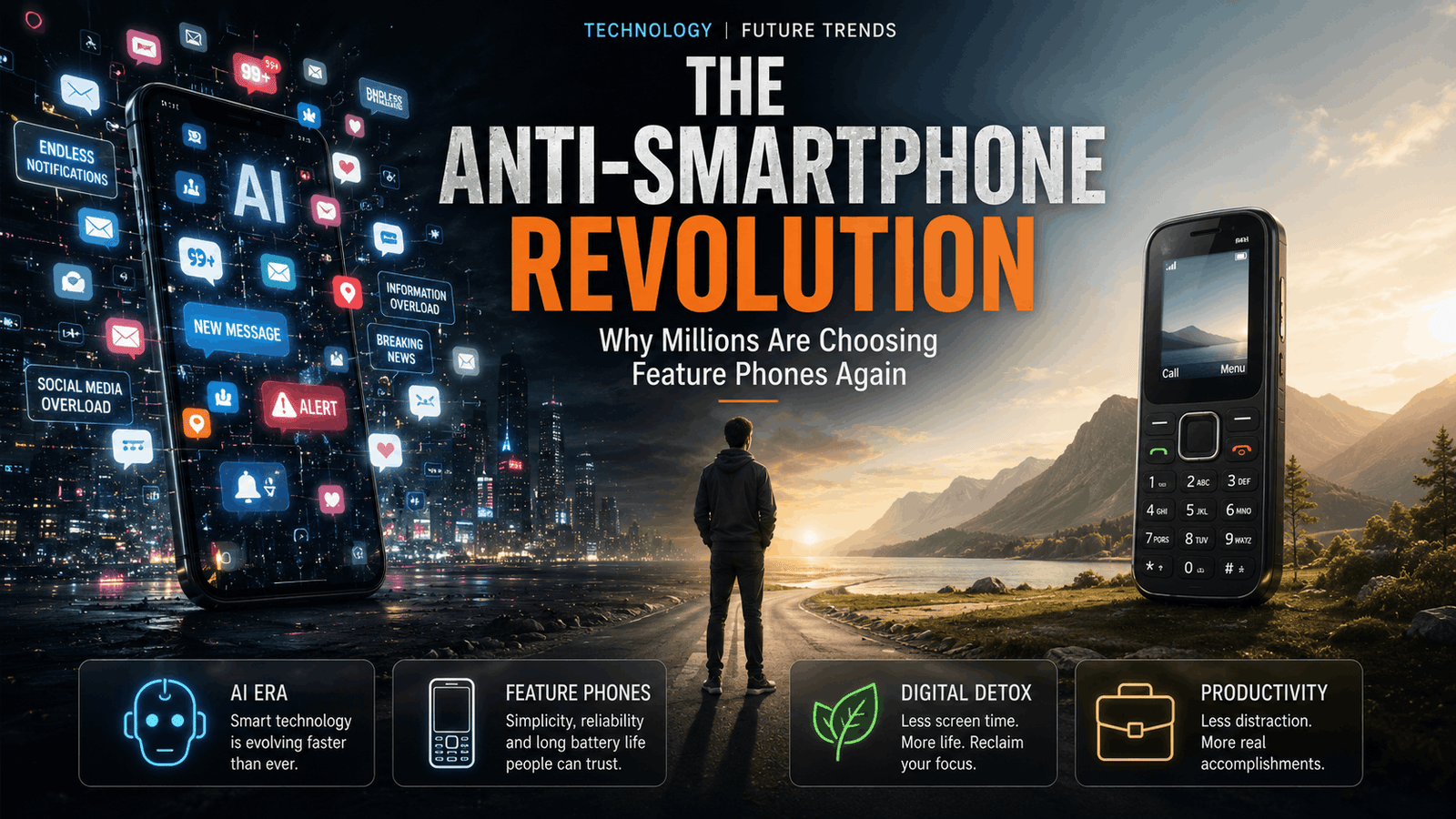
The average person now spends over 7 hours per day looking at screens. Smartphones, laptops, tablets, and smart TVs have made constant connectivity the default state — and mental health research increasingly shows that this is taking a toll. A digital detox is not about rejecting technology. It is about reclaiming control of your attention.
What constant connectivity is doing to your brain
Excessive screen time — especially social media use — activates the same dopamine reward loops as gambling. Short-form content platforms are engineered to maximize engagement, not wellbeing. Research from the American Psychological Association links heavy social media use to higher rates of loneliness, depression, comparison anxiety, and disrupted sleep patterns.
Studies show that the mere presence of a smartphone on a desk — even face down and silent — measurably reduces cognitive capacity during demanding tasks. Our brains spend processing resources resisting the urge to check. It costs us more than we realize.
Benefits of a digital detox
| Benefit | What Happens | Timeline |
|---|---|---|
| Improved sleep | Less blue light; cortisol normalizes at night | Within 3–5 days |
| Reduced anxiety | Lower social comparison, fewer notifications | Within 1–2 weeks |
| Better focus | Attention span rebuilds; fewer interruptions | Within 1–3 weeks |
| More presence | Real-world interactions feel richer | Within days |
| Reduced FOMO | Offline life feels complete without feed-checking | Within 2 weeks |
| More time | Recovered hours fill with reading, movement, rest | Immediate |
How to start a digital detox in 2026
Start small. You do not need a week-long retreat. Begin by setting your phone to grayscale — color makes apps more addictive. Delete social media apps from your phone and access them only on desktop if needed. Create phone-free zones: bedroom, dining table, bathroom. Set a hard cutoff — no screens after 9 PM.
Replace screen time with intention. Walk without earbuds. Read a physical book. Cook without a YouTube tutorial. Have conversations without documenting them. The goal is not productivity — it is presence and recovery of your full cognitive and emotional attention.
Use built-in tools: Screen Time on iPhone, Digital Wellbeing on Android, and browser extensions like Freedom or Cold Turkey that block distracting sites during work hours. These reduce friction for good habits.
In a world engineered to keep you scrolling, choosing when to disconnect is one of the most powerful habits you can build. Even small, consistent steps toward intentional screen use will transform your focus, sleep, and peace of mind. For more wellness, productivity, and lifestyle insights, visit BlogofTime.com.