Content options
The Hyundai Bayon 2026 price is reported at around Rs 10 lakh, which puts it between the Venue and the Creta in Hyundai's India line-up. Reports also mention a 1.5-litre petrol engine. For most buyers, the Bayon makes sense only if the Venue feels too small and the Creta too expensive.
This article is not a launch-day report. We look at what the Bayon's engines mean for your monthly fuel bill, how to read its variant ladder, and how it compares with the Venue and the Maruti Brezza, the two cars most likely to be on your shortlist.
Key takeaways
- According to reports, the Bayon is a crossover priced at roughly Rs 10 lakh (ex-showroom, starting), slotted between the Venue and the Creta.
- Autocar Professional reported a 1.5-litre petrol engine for India. A 1.0-litre turbo-petrol exists on the global Bayon, but India availability is not confirmed in our notes.
- A bigger engine usually means higher fuel use and, depending on tax rules, a higher price. Compare on-road price and real-world mileage, not just the headline number.
- If you want the cheapest running cost in this size class, the Venue or Brezza will probably still beat the Bayon.
What do we actually know about the Bayon's launch and price?
CarDekho's headline says the 2026 Hyundai Bayon has been launched at Rs 10 lakh and calls it a quirky crossover positioned between the Venue and the Creta. Autocar Professional had earlier reported that the Bayon would launch in India on October 26 with a 1.5-litre petrol engine, and CarWale ran live updates on the launch.
That is the extent of what we can say with confidence. The headlines do not tell us whether Rs 10 lakh is the base-variant ex-showroom price, an introductory price, or a figure rounded for the headline. Treat it as a starting point and ask the dealer for the full on-road quote in your city.
Ex-showroom and on-road prices differ by a wide margin. Registration, insurance and other charges can add a noticeable amount on top. In Gujarat and most other states, expect the on-road figure to be well above the headline price, so a Rs 10 lakh car can easily cost Rs 11 lakh or more to drive home. The exact gap depends on your RTO and insurer.
What are the Hyundai Bayon variants?
We do not have a confirmed variant-wise price list in our source notes, so we will not invent one. Hyundai's India models typically follow a ladder from a basic trim to a fully loaded top trim, with a turbo or automatic option appearing only on the higher steps. The Venue, for example, has used the pattern of EX, S, S(O), SX and SX(O) trims. Whether the Bayon follows the same naming is not confirmed.
When the official price list is out, read it in this order:
- Engine and gearbox first. Check which trims offer the 1.5-litre petrol, and whether an automatic is available at all.
- Safety next. Look for the number of airbags, ESC and rear parking aids on the trim you want, not just the top one.
- Comfort and tech last. Sunroof, bigger screen and connected features are the items that push buyers up one trim without adding anything to daily use.
In most cars, the second-from-top trim gives the best value. You get the features you will use without paying for the extras that mainly look good in a brochure.
1.0 vs 1.5: which Bayon engine would suit you?
The engine is where the Bayon differs most from its rivals, and where your fuel bill is decided.
The 1.5-litre petrol
This is the engine named in the Autocar Professional report. A naturally aspirated 1.5-litre petrol is usually smooth and easy to drive in the city, and it tends to feel relaxed on highways because it does not need to be revved hard. The trade-off is lower efficiency than a smaller engine and a higher engine-size bracket, which can matter for tax. Under India's current GST structure, small petrol cars are taxed at a lower rate than larger ones, and the cut-off depends on length and engine capacity. Ask the dealer how the Bayon is classified, and check the rule on the India.gov.in portal or with a CA if you are buying for a business.
The 1.0-litre turbo-petrol
The global Bayon is sold with a 1.0-litre turbo-petrol. A small turbo engine can return good mileage when driven gently and offers strong pull for overtaking. Whether it is sold in India is not confirmed in the notes we have, so do not plan your purchase around it until Hyundai publishes the India specification.
If the 1.5 is the only option, the question for you is simple: is the extra smoothness worth a higher fuel bill than the Venue's smaller engines? For a household that drives under 800 km a month, probably yes. For a daily 60 km commute, probably not.
Hyundai Bayon vs Venue vs Brezza: how do they compare?
The Venue and Brezza are the established names in the compact SUV segment. Figures below for rivals are typical ranges and should be checked against current price lists.
| Point | Hyundai Bayon | Hyundai Venue | Maruti Brezza |
|---|---|---|---|
| Reported starting price (ex-showroom) | About Rs 10 lakh | Roughly Rs 7 to 8 lakh | Roughly Rs 8 to 9 lakh |
| Petrol engine | 1.5-litre (reported) | 1.2-litre; 1.0 turbo | 1.5-litre mild-hybrid |
| Diesel option | Not confirmed | Yes, 1.5-litre (check current line-up) | No |
| CNG option | Not confirmed | No | Yes |
| Positioning | Between Venue and Creta | Compact SUV | Compact SUV |
The Bayon's clearest disadvantage is price. It asks for more than the Venue and Brezza base trims while offering fewer fuel options on paper. Its advantage, if it has one, is the space and presence of a larger vehicle at a price below the Creta. We would want to sit in the rear seat and measure boot space before saying it is worth the premium.
What will the Bayon cost to run? A worked example
Official mileage figures for the Bayon in India are not available in our notes, so the numbers below are assumptions for illustration, not claims about any car. Replace them with the ARAI figure and, better, owner-reported figures once they appear.
Assume you drive 12,000 km a year and petrol costs Rs 100 per litre (prices vary by state and change often).
- Car A at 15 km/l: 12,000 ÷ 15 = 800 litres. 800 × Rs 100 = Rs 80,000 a year.
- Car B at 17 km/l: 12,000 ÷ 17 ≈ 706 litres. 706 × Rs 100 ≈ Rs 70,600 a year.
- Car C at 18 km/l: 12,000 ÷ 18 ≈ 667 litres. 667 × Rs 100 ≈ Rs 66,700 a year.
The gap between A and C is about Rs 13,300 a year, or roughly Rs 66,500 over five years. If the Bayon costs Rs 2 lakh more than a rival and burns more fuel, the extra spend over five years could be close to Rs 2.7 lakh before you count insurance, which is also higher for a costlier car. That is the price of the extra size and presence, and only you can decide whether it is worth it.
Fuel prices also move with global events. We explain why in our guide on why oil prices rise during global conflicts and what a supply shock could mean for pump prices in the U.S.–Iran standoff explainer. If you drive a lot, a higher fuel price makes a thirsty engine more expensive to own.
Who should buy the Bayon, and who should skip it?
For most families who want a bit more space than a compact SUV, the Bayon is worth a test drive. It could also suit a buyer who is stretching to a Creta and finds the price too high. If it undercuts the Creta by a meaningful sum on the trim you want, it deserves a place on your shortlist.
Skip it if you want the lowest running cost, a diesel or CNG option, or a strong resale record. The Venue and Brezza have years of used-car demand behind them. A new model has no resale history, and early resale values are often lower than buyers expect.
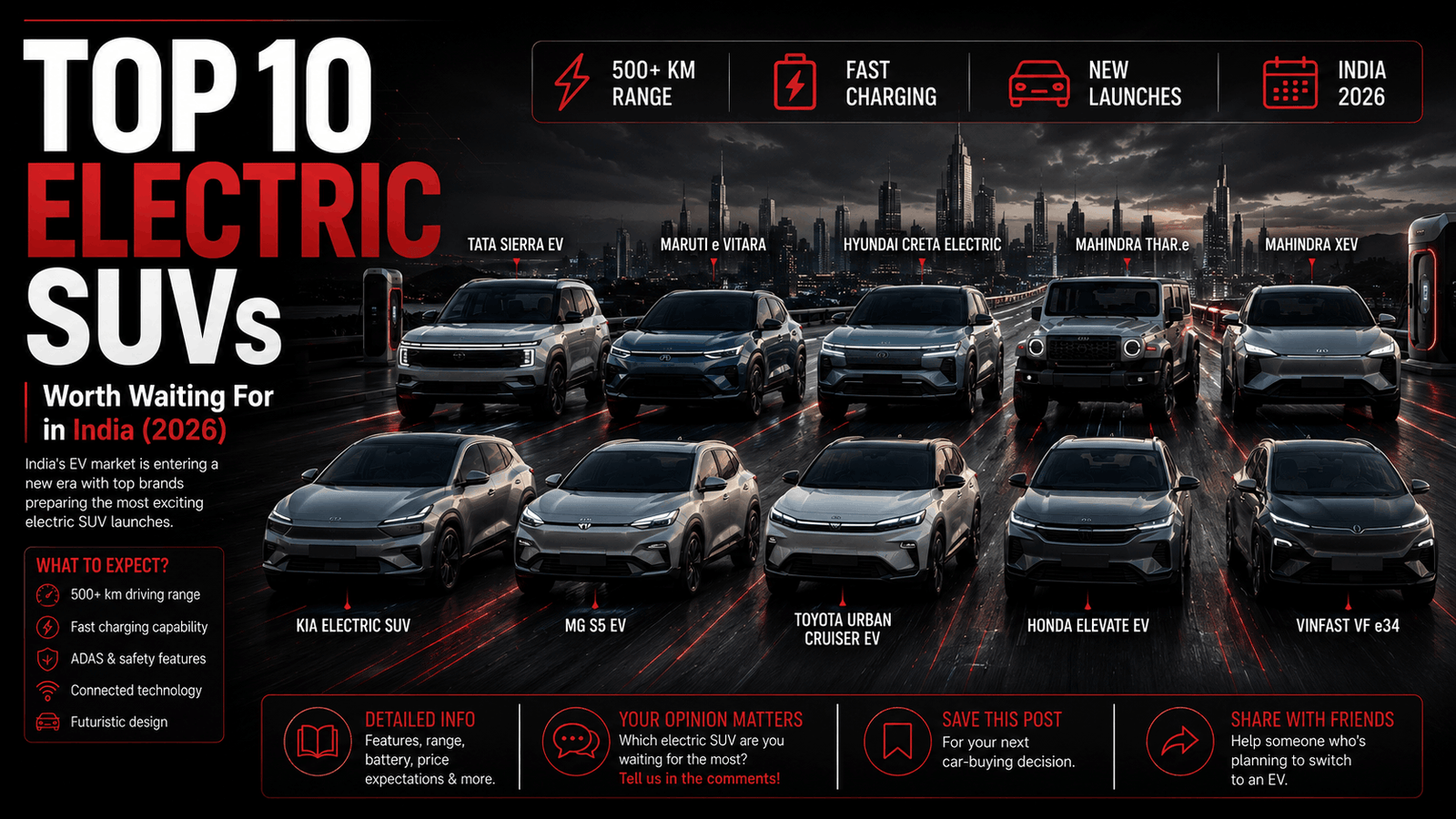
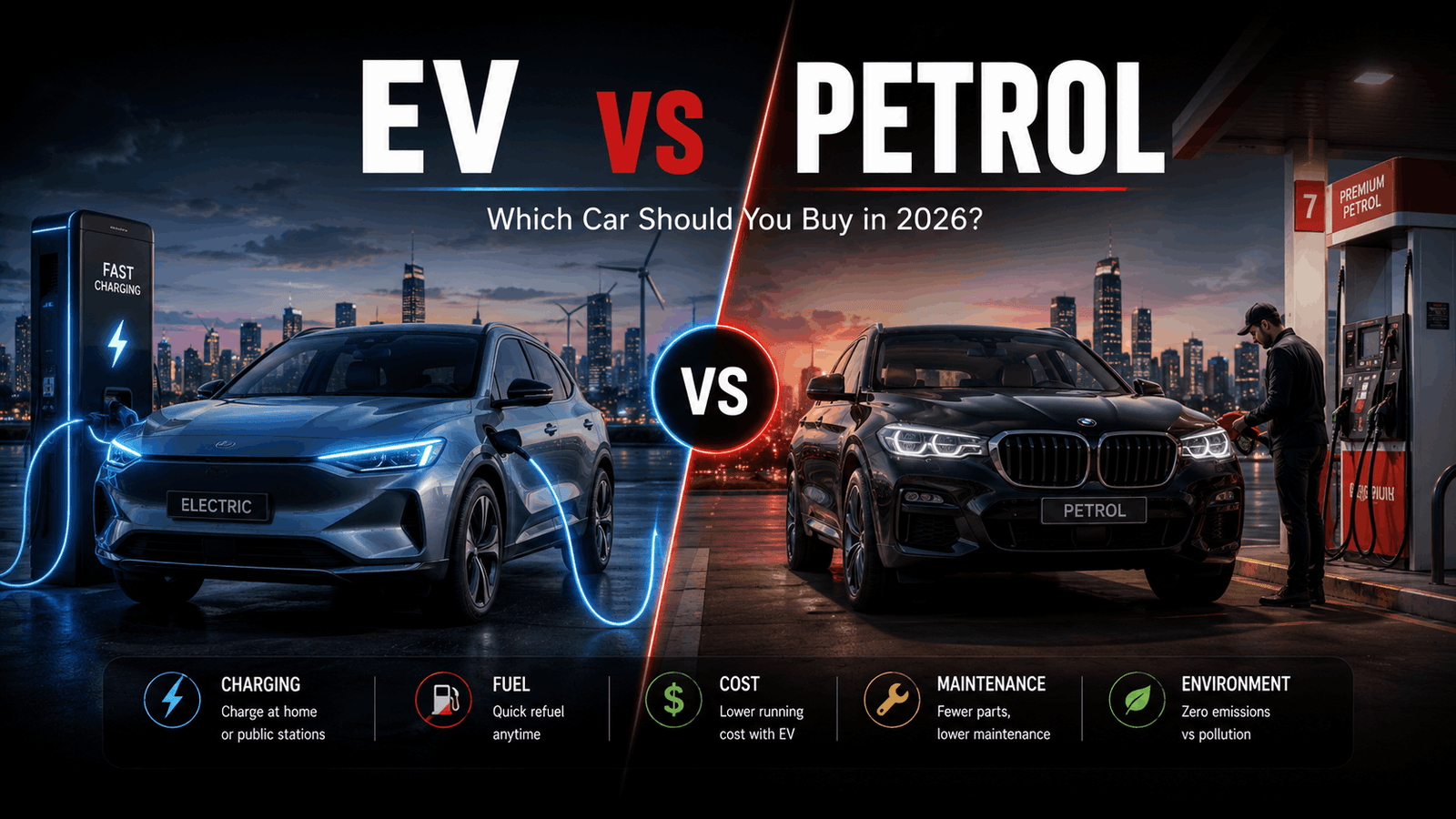
If you are weighing a petrol car against going electric, our comparison of electric vehicles vs petrol cars in 2026 sets out the ownership maths, and the list of electric SUVs worth waiting for shows what else may compete at a similar price in the next year or two.
Common mistakes buyers make with a new launch
- Buying on the launch price alone. Introductory prices can rise after the first batch of bookings. Get the price in writing.
- Skipping the rival test drives. Drive the Venue and Brezza on the same day, on the same road. The comparison is far clearer that way.
- Ignoring waiting periods. A new model can have a queue for popular trims. Ask for the delivery date, not a promise.
- Trusting early mileage claims. Certified figures are measured under test conditions. Wait for several owners to report real-world numbers.
- Overbuying the top trim. Extra features rarely change your daily drive, but they do raise insurance and EMI.
Checklist before you book
- Get the on-road price for your city and the exact trim you want.
- Confirm the engine, gearbox and mileage figure for that trim.
- Ask about the warranty and service cost for the first three years.
- Test-drive the Bayon, Venue and Brezza back to back.
- Check boot space and rear legroom with your family in the car.
- Compare loan offers if you are financing, since a small difference in interest rate adds up over five years.
FAQ
What is the Hyundai Bayon 2026 price in India?
According to CarDekho, the Bayon was launched at around Rs 10 lakh. We have not seen a confirmed variant-wise price list, so check the official Hyundai India website or a dealer for exact ex-showroom and on-road prices.
What is the Bayon launch date in India?
Autocar Professional reported that the Bayon would launch in India on October 26, and CarWale covered the launch with live updates. Confirm the date and the year on Hyundai's official channels.
What engine does the Hyundai Bayon get in India?
Reports mention a 1.5-litre petrol engine. A 1.0-litre turbo-petrol is sold on the global Bayon, but its India availability is not confirmed in the sources we have.
What is the Bayon's mileage?
We do not have a confirmed ARAI mileage figure. When it is published, treat it as a ceiling and expect real-world numbers to be lower, especially in stop-and-go city traffic.
Is the Bayon better than the Venue?
It depends on what you need. The Bayon is positioned above the Venue, so it should offer more size and presence at a higher price. The Venue is likely to be cheaper to buy and run, and it has a wider range of engines.
Bottom line
The Bayon looks like a sensible step-up for buyers who have outgrown the Venue but cannot stretch to the Creta. It is not the car to pick if lower running cost is your priority. Before you decide, get the on-road quote, drive all three cars on the same day, and work out the five-year fuel bill with your own mileage and petrol price.