Content options
Introduction
- Why do petrol and diesel prices suddenly rise when a conflict begins?
- Why does a war thousands of kilometers away affect your fuel bill?
- Understanding the connection between geopolitics and energy markets.
What Determines the Price of Oil?
- Crude oil basics
- Global demand and supply
- International oil benchmarks
- Why oil is traded globally
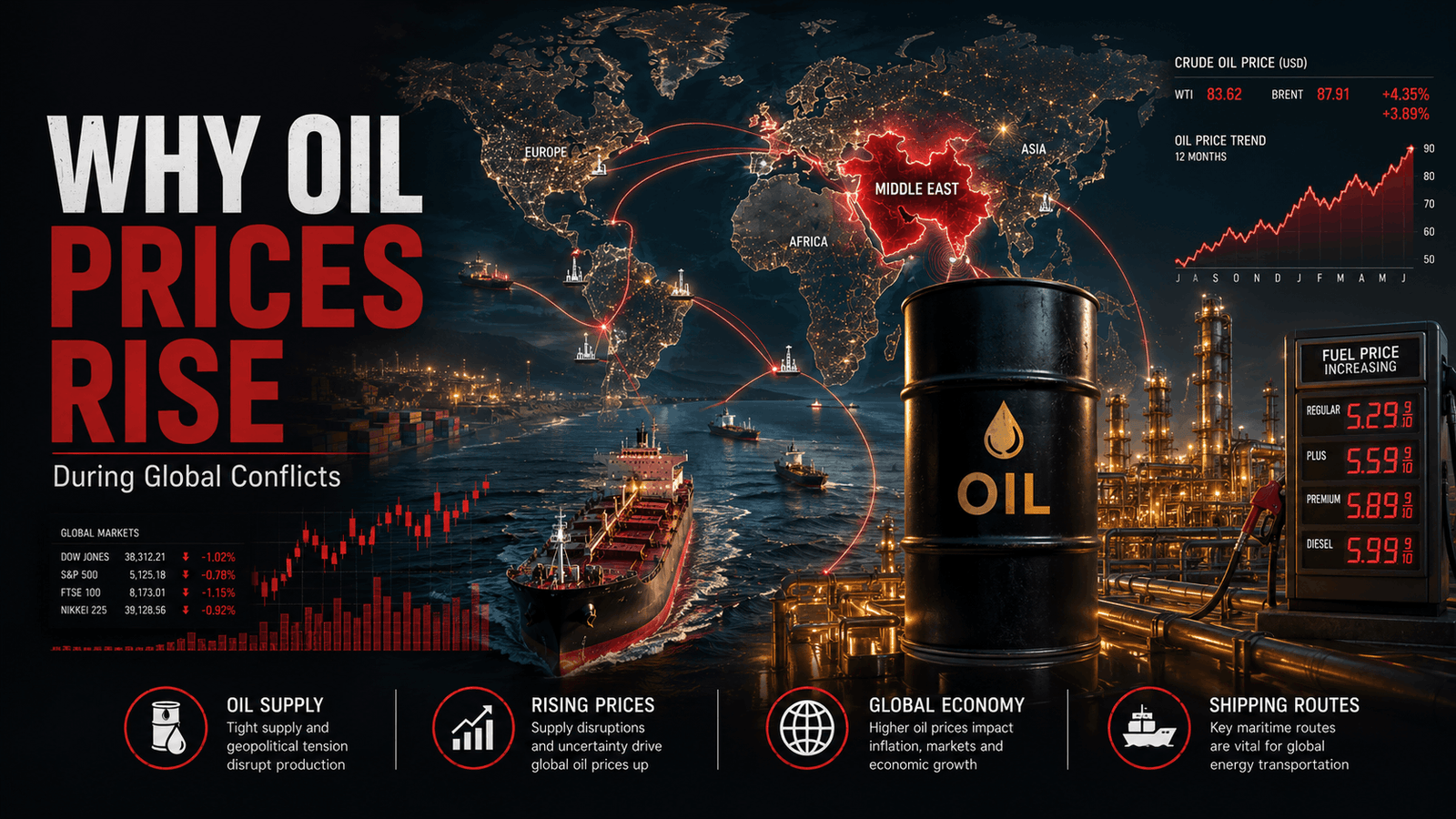
Why Global Conflicts Affect Oil Prices
- Supply uncertainty
- Shipping disruptions
- Market speculation
- Production risks
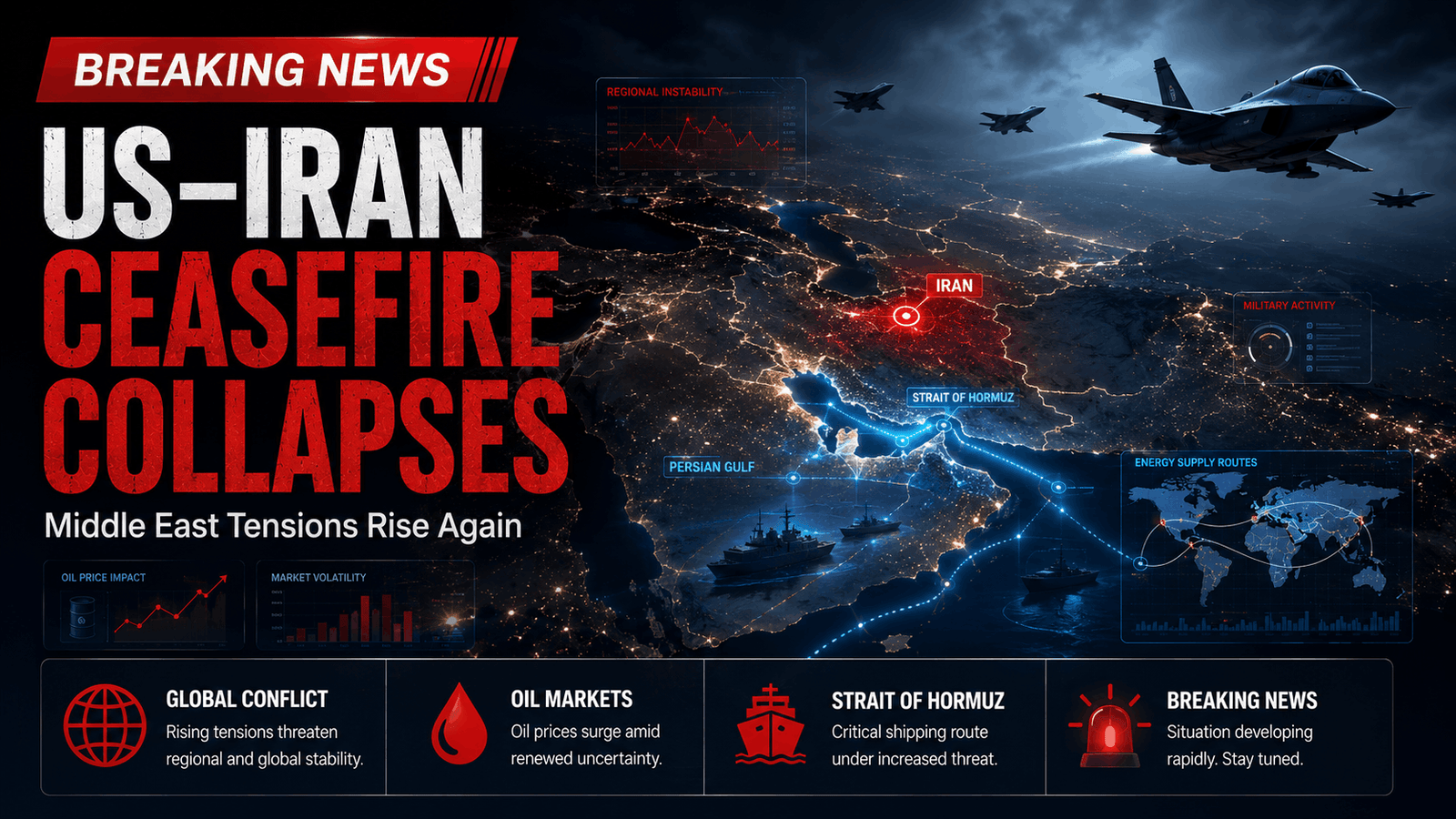
The Importance of the Strait of Hormuz
- Why this route matters
- Percentage of global oil transported
- Impact of disruptions
OPEC's Role in Oil Prices
- What OPEC is
- Production decisions
- Market influence
How Rising Oil Prices Affect Everyday Life
- Petrol and diesel
- Airline tickets
- Food transportation
- Electricity
- Inflation
- Household expenses
Impact on India and Other Oil-Importing Countries
- Fuel imports
- Inflation
- Economic growth
- Currency pressure
Who Benefits From Higher Oil Prices?
- Oil-exporting nations
- Energy companies
Can Oil Prices Fall Again?
- Peace agreements
- Increased production
- Alternative energy
- Strategic reserves
Common Myths
❌ Every conflict immediately causes oil shortages.
❌ Oil prices only depend on wars.
❌ All countries are affected equally.
Blog of Time Insight
Oil is more than just a fuel—it's a foundation of the global economy. Events in one region can ripple across the world, influencing transportation costs, food prices, inflation, and business confidence. Understanding these connections helps explain why international headlines often have a direct impact on everyday life.
Key Takeaways
✅ Global conflicts create uncertainty in oil markets.
✅ Supply disruptions often push prices higher.
✅ Higher oil prices increase transportation and living costs.
✅ Oil-importing countries are generally more affected.
✅ Diversifying energy sources can improve long-term resilience.
Future Outlook
Discuss the growing role of renewable energy, electric vehicles, improved energy security, and how countries are working to reduce dependence on imported fossil fuels while oil remains a critical part of the global economy.
Conclusion
Oil prices are influenced by a combination of supply, demand, geopolitics, and market expectations. During global conflicts, uncertainty surrounding production and transportation can drive prices higher, affecting businesses, governments, and households alike. Understanding these dynamics provides valuable context for interpreting major international events and their impact on everyday expenses.
FAQs
- Why do oil prices increase during wars?
- What is the Strait of Hormuz and why is it important?
- Does every conflict increase oil prices?
- Why is India affected by global oil prices?
- Can renewable energy reduce dependence on oil?