Content options
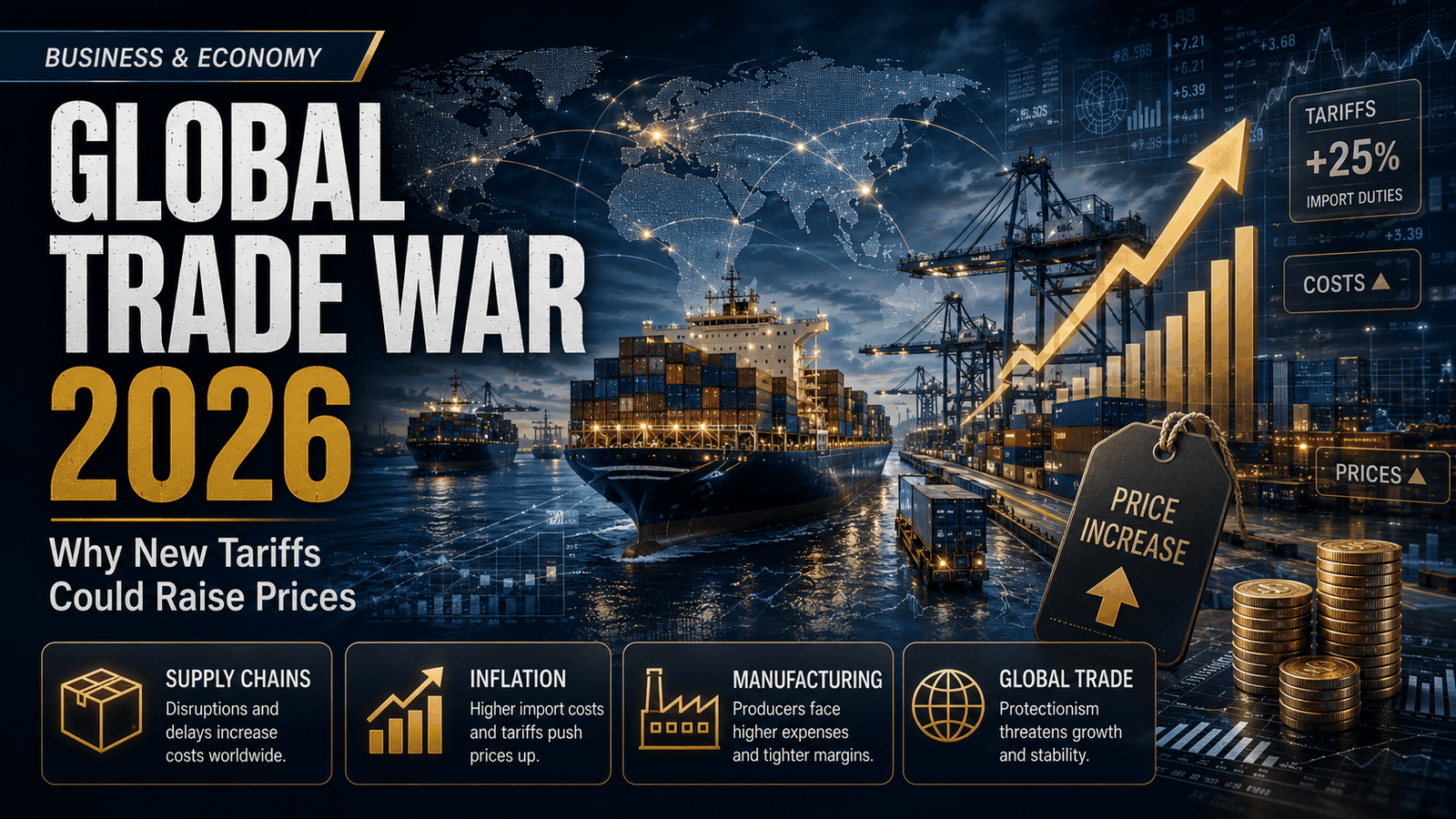
Global Trade War 2026: Why New Tariffs Could Make Everyday Products More Expensive
Introduction
Global trade is entering another period of uncertainty as several countries review or introduce new import tariffs and trade restrictions. Governments often use tariffs to protect domestic industries, encourage local manufacturing, or respond to trade disputes.
While these policies may support certain sectors, they can also increase business costs, disrupt supply chains, and eventually affect the prices consumers pay for everyday products.
Understanding how tariffs work can help explain why global events often influence prices in local markets.
What Is a Tariff?
A tariff is a tax imposed by a government on imported goods.
Its main objectives include:
- Protecting domestic manufacturers.
- Reducing dependence on imports.
- Encouraging local production.
- Responding to unfair trade practices.
- Improving trade balance.
However, tariffs may also increase costs for companies that rely on imported products or raw materials.
Why Are Countries Increasing Tariffs?
Several factors are driving the renewed focus on tariffs.
🏭 Protecting Local Industries
Governments sometimes raise tariffs to help domestic companies compete against cheaper imported products.
🌍 National Security
Some countries consider sectors such as semiconductors, energy, and critical technologies strategically important and seek to reduce dependence on foreign suppliers.
📈 Economic Competition
Major economies are increasingly competing in advanced manufacturing, artificial intelligence, clean energy, and technology, leading to new trade measures.
🚢 Supply Chain Resilience
Recent global disruptions have encouraged businesses and governments to diversify supply chains rather than relying heavily on a single country.
How Tariffs Affect Everyday Products
Although tariffs are applied to imports, their impact can eventually reach consumers.
Products that may become more expensive include:
📱 Smartphones
💻 Laptops
🚗 Cars
📺 Consumer electronics
🏗️ Construction materials
👕 Clothing
🏠 Home appliances
Companies facing higher import costs may adjust retail prices over time, depending on market conditions and competition.
Impact on Global Supply Chains
Modern manufacturing depends on components sourced from multiple countries.
When tariffs increase:
- Manufacturing costs may rise.
- Companies may shift production to new locations.
- Delivery times can become longer.
- Logistics expenses may increase.
- Businesses may diversify suppliers.
This is why supply chain resilience has become a major business priority worldwide.
Could Inflation Increase?
Higher import costs can contribute to inflation if businesses pass those costs on to customers.
The overall impact depends on several factors, including:
- The size of the tariff.
- Availability of alternative suppliers.
- Exchange rates.
- Consumer demand.
- Government policies.
Inflation is influenced by many economic variables, and tariffs are only one of them.
What Does This Mean for India?
India could experience both opportunities and challenges.
Opportunities
✅ Growth in domestic manufacturing.
✅ Increased foreign investment.
✅ Expansion of exports in selected industries.
✅ Stronger "Make in India" initiatives.
Challenges
⚠️ Higher import costs for some industries.
⚠️ Supply chain adjustments.
⚠️ Pressure on businesses dependent on imported components.
⚠️ Price volatility in global markets.
Which Industries Could Benefit?
Several sectors may gain if companies diversify production away from existing manufacturing hubs.
Potential beneficiaries include:
- Electronics
- Semiconductors
- Renewable Energy
- Automotive
- Pharmaceuticals
- Logistics
- Data Centers
- Artificial Intelligence Infrastructure
India is increasingly positioning itself as an alternative manufacturing and technology destination.
Which Industries Could Be Affected the Most?
Global tariffs don't impact every industry equally. Some sectors are far more exposed because they depend heavily on international supply chains.
📱 Consumer Electronics
Smartphones, laptops, TVs, gaming consoles, and electronic components often cross multiple countries before reaching consumers. Higher tariffs can increase manufacturing and retail costs.
🚗 Automotive Industry
Modern vehicles rely on thousands of imported parts. Tariffs on steel, semiconductors, batteries, or auto components can increase production costs and vehicle prices.
💊 Pharmaceuticals
Many medicines and pharmaceutical ingredients are sourced globally. Trade restrictions can affect manufacturing costs and supply availability.
👕 Retail & Consumer Goods
Clothing, footwear, furniture, toys, and home appliances may become more expensive if import duties increase.
🏭 Manufacturing
Manufacturers using imported machinery or raw materials could face higher production expenses, potentially affecting profit margins and pricing.
Could India Benefit from Global Trade Shifts?
While global trade tensions create challenges, they can also create opportunities.
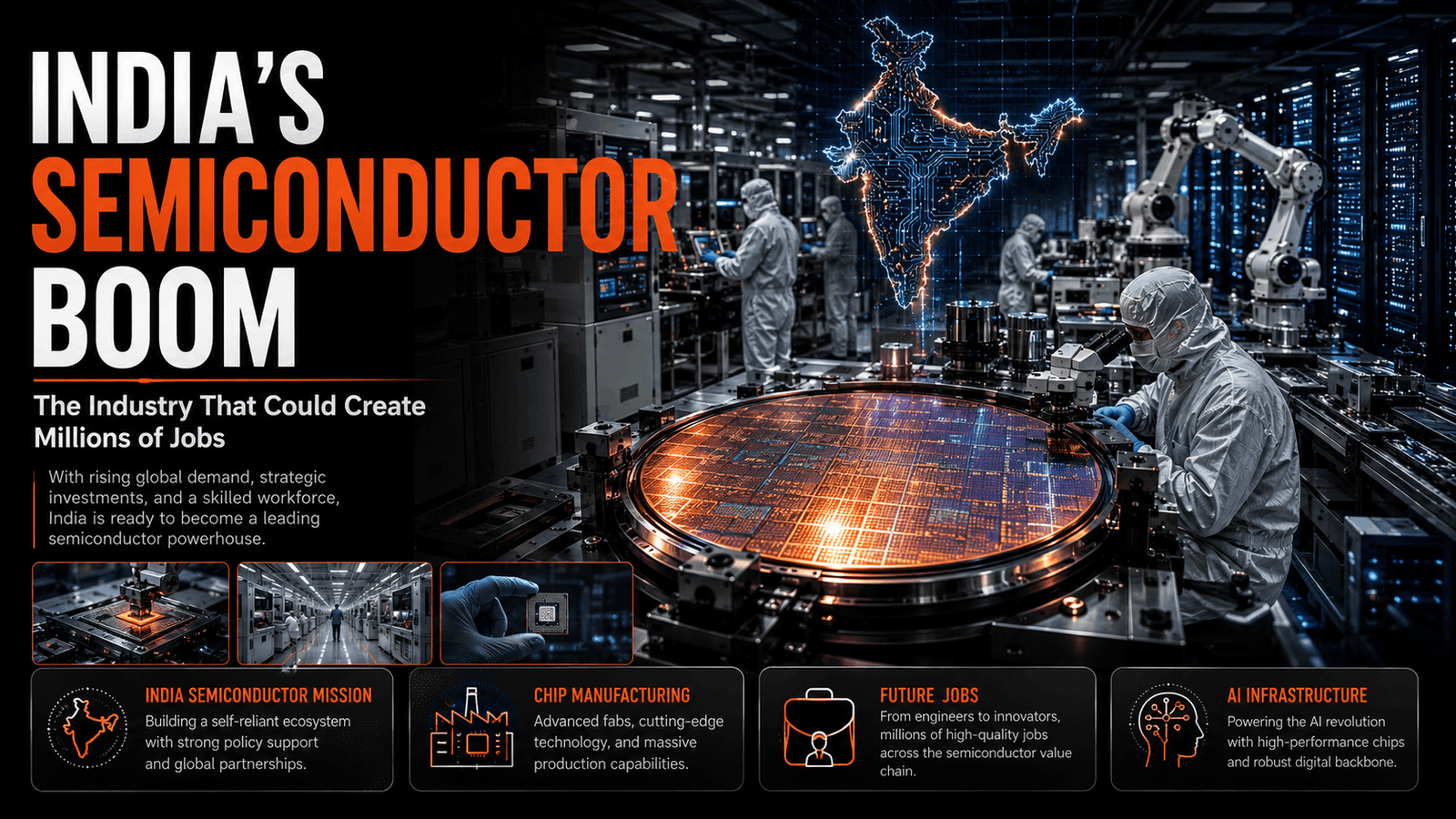
India is increasingly positioning itself as a manufacturing and export destination through initiatives such as:
- Make in India
- Production Linked Incentive (PLI) schemes
- Semiconductor Mission
- Electronics manufacturing expansion
- Data center investments
As companies diversify production away from concentrated supply chains, India could attract additional investment in manufacturing and technology.
What Could Happen Next?
Several outcomes remain possible depending on future trade negotiations.
Scenario 1 — Trade Agreements Improve
Countries reduce tariffs through negotiations, helping stabilize supply chains and lower business uncertainty.
Scenario 2 — Prolonged Trade Tensions
Higher tariffs remain in place, increasing costs for businesses and contributing to slower global trade growth.
Scenario 3 — Supply Chains Continue to Shift
Companies diversify manufacturing across multiple countries to reduce long-term geopolitical and economic risks.
Blog of Time Insight
Trade wars are often discussed in terms of governments and diplomacy, but their effects eventually reach businesses and consumers.
Whether buying a smartphone, a car, household appliances, or groceries, international trade policies can influence prices in ways many people don't immediately notice.
Understanding global trade helps explain why events in one country can affect everyday life across the world.
Key Takeaways
✔ Tariffs are taxes on imported goods designed to protect domestic industries or address trade imbalances.
✔ Higher tariffs can increase costs for businesses that depend on imported products or raw materials.
✔ Consumers may experience higher prices for electronics, vehicles, clothing, appliances, and other imported goods.
✔ Companies are increasingly diversifying supply chains to reduce dependence on a single manufacturing region.
✔ India could benefit from shifting global manufacturing as companies look for alternative production hubs.
Conclusion
The evolving global trade landscape is reshaping how products are manufactured, transported, and sold.
While tariffs can support domestic industries, they may also increase costs throughout the global economy. For businesses, adapting supply chains has become a strategic priority. For consumers, understanding these changes provides valuable context for why prices sometimes rise even without changes in local demand.
As governments continue negotiations and companies adjust their operations, global trade will remain one of the most important forces shaping the world economy.
Frequently Asked Questions (FAQs)
1. What is a tariff?
A tariff is a government-imposed tax on imported goods that can influence trade and protect domestic industries.
2. Why do governments impose tariffs?
Governments may use tariffs to support local manufacturers, respond to trade disputes, improve national security, or encourage domestic production.
3. Do tariffs always increase prices?
Not always. The impact depends on competition, alternative suppliers, exchange rates, and whether businesses absorb or pass on the additional costs.
4. Which products are most affected?
Electronics, automobiles, industrial equipment, clothing, home appliances, and products with global supply chains are often among the most affected.
5. Could India benefit from global trade shifts?
Yes. If companies diversify manufacturing, India could attract additional investment in sectors such as electronics, semiconductors, renewable energy, and advanced manufacturing.