Content options
Introduction
Heart disease has long been associated with older adults, but in recent years, doctors and healthcare experts around the world have noticed a concerning trend: heart attacks are increasingly affecting younger people.
Stories of individuals in their 20s, 30s, and 40s suffering from heart attacks have become more common, raising important questions about modern lifestyles and overall health. While medical advancements have improved diagnosis and treatment, changing habits, stress levels, and health conditions are contributing to an increased risk among younger populations.
Understanding the reasons behind this trend can help individuals take proactive steps to protect their heart health and reduce long-term risks.
Why Heart Health Matters
The heart is one of the most important organs in the human body.
It is responsible for:
- Pumping oxygen-rich blood
- Delivering nutrients throughout the body
- Supporting brain and organ function
- Maintaining overall health
When heart function is compromised, serious health consequences can occur.
Why Are Heart Attack Cases Increasing?
Experts believe there is no single reason behind the increase. Instead, several lifestyle and health-related factors are contributing to the trend.
1. Sedentary Lifestyle
Modern work environments require people to spend long hours sitting.
Common habits include:
- Working at a desk all day
- Excessive screen time
- Limited physical activity
- Long commuting hours
A sedentary lifestyle can contribute to:
- Weight gain
- Poor circulation
- High blood pressure
- Increased cardiovascular risk
Regular movement and exercise are essential for maintaining heart health.
2. Rising Stress Levels
Stress has become a major part of modern life.
Sources of stress include:
- Work pressure
- Financial concerns
- Social expectations
- Family responsibilities
Chronic stress can increase blood pressure and trigger unhealthy coping behaviors such as overeating, smoking, or poor sleep.
Over time, these factors can negatively impact cardiovascular health.
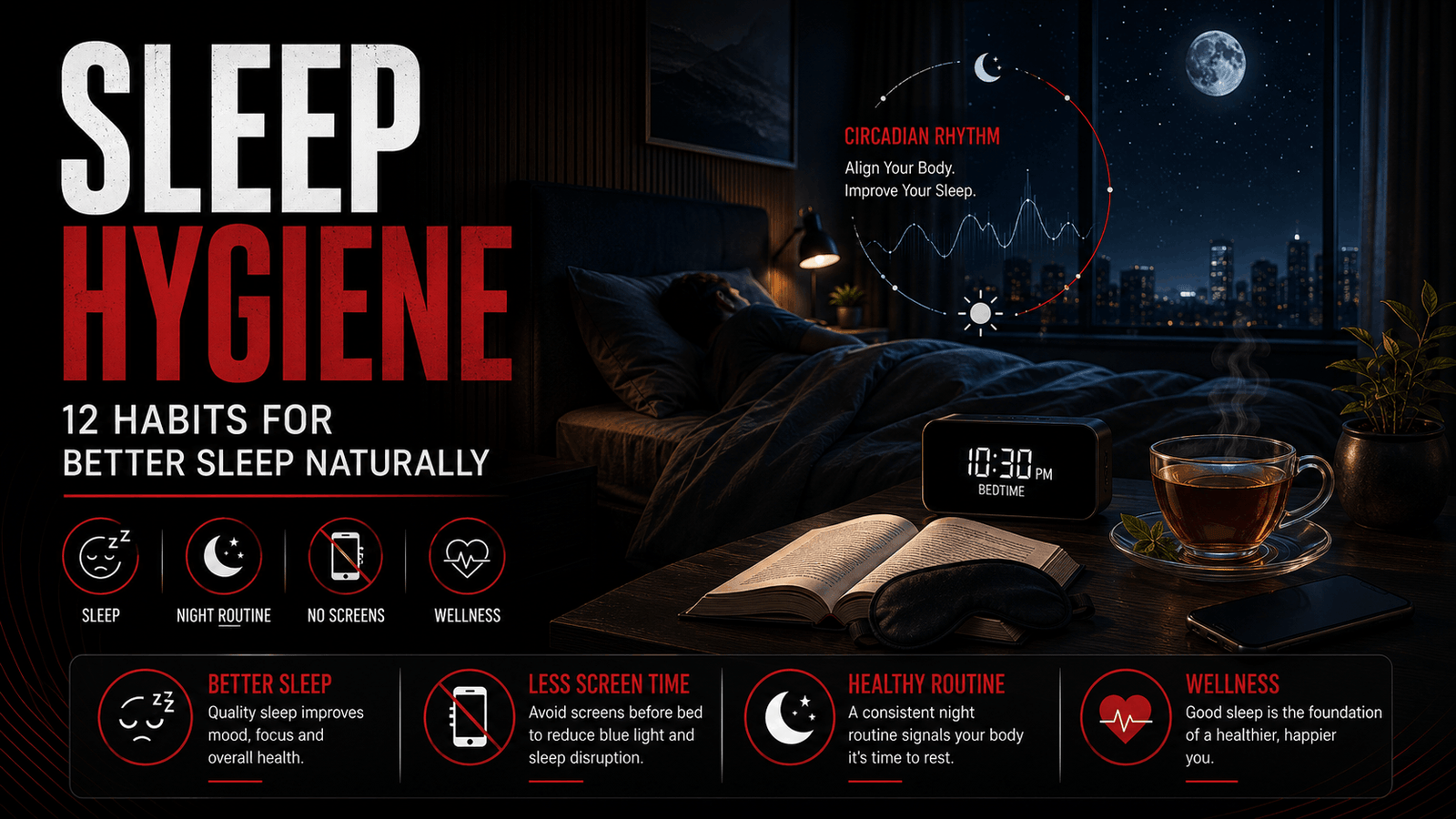
3. Poor Sleep Habits
Many people underestimate the importance of sleep.
Lack of quality sleep may contribute to:
- High blood pressure
- Increased inflammation
- Hormonal imbalances
- Higher stress levels
Consistently getting adequate sleep is an important part of overall heart health.
4. Unhealthy Diets
Convenience foods have become increasingly common.
Many processed foods contain:
- Excess sodium
- Added sugars
- Unhealthy fats
Poor dietary habits may increase the risk of:
- Obesity
- High cholesterol
- Diabetes
- Cardiovascular disease
A balanced diet rich in fruits, vegetables, whole grains, and lean proteins can help support heart health.
5. Obesity and Weight Gain
Obesity rates have increased globally.
Excess body weight places additional strain on the heart and is often associated with:
- High blood pressure
- Diabetes
- Elevated cholesterol levels
Maintaining a healthy weight can significantly reduce cardiovascular risks.
6. Smoking and Tobacco Use
Smoking remains one of the leading risk factors for heart disease.
Tobacco use can:
- Damage blood vessels
- Reduce oxygen supply
- Increase blood clot formation
Avoiding smoking and tobacco products is one of the most effective ways to protect heart health.
7. Diabetes and High Blood Pressure
Conditions such as diabetes and hypertension are being diagnosed at younger ages.
Both conditions can increase the risk of heart attacks if not properly managed.
Regular health checkups can help identify these issues early.
Warning Signs That Should Not Be Ignored
While symptoms vary, some common warning signs include:
- Chest discomfort or pain
- Shortness of breath
- Unusual fatigue
- Dizziness
- Pain in the arm, neck, jaw, or back
Anyone experiencing concerning symptoms should seek professional medical attention immediately.
How to Reduce Your Risk
Stay Physically Active
Aim for regular exercise and avoid prolonged periods of inactivity.
Eat a Balanced Diet
Focus on nutrient-rich foods and limit processed foods.
Manage Stress
Practice stress-management techniques such as meditation, exercise, or hobbies.
Prioritize Sleep
Maintain a consistent sleep schedule and aim for sufficient rest.
Avoid Smoking
Eliminating tobacco use significantly improves heart health.
Schedule Regular Checkups
Routine health screenings can help detect risk factors early.
The Future of Heart Health Awareness
As awareness grows, healthcare professionals continue to emphasize prevention and lifestyle improvements.
Many heart-related risk factors are manageable through healthy habits and early intervention.
Understanding the causes behind rising heart attack rates can empower individuals to make informed choices and protect their long-term health.
Conclusion
The increase in heart attack cases among young adults is a complex issue influenced by lifestyle habits, stress, diet, physical activity, and underlying health conditions.
While the trend is concerning, many risk factors can be reduced through positive lifestyle changes and regular health monitoring.
Taking care of your heart today can help improve your quality of life and reduce future health risks.
Remember, prevention is often the most powerful form of protection.
FAQs
Are heart attacks becoming more common among young adults?
Healthcare experts have observed an increase in cardiovascular risk factors among younger populations, contributing to growing concern about heart health.
Can stress increase the risk of heart problems?
Chronic stress may contribute to higher blood pressure and other factors associated with heart disease.
Does lack of sleep affect heart health?
Yes. Poor sleep quality has been linked to several health conditions that can impact cardiovascular health.
What lifestyle changes can help reduce heart attack risk?
Regular exercise, a balanced diet, stress management, quality sleep, and avoiding tobacco use can support heart health.
When should someone seek medical attention?
Anyone experiencing symptoms such as chest pain, shortness of breath, or other concerning signs should seek prompt medical evaluation.