Content options
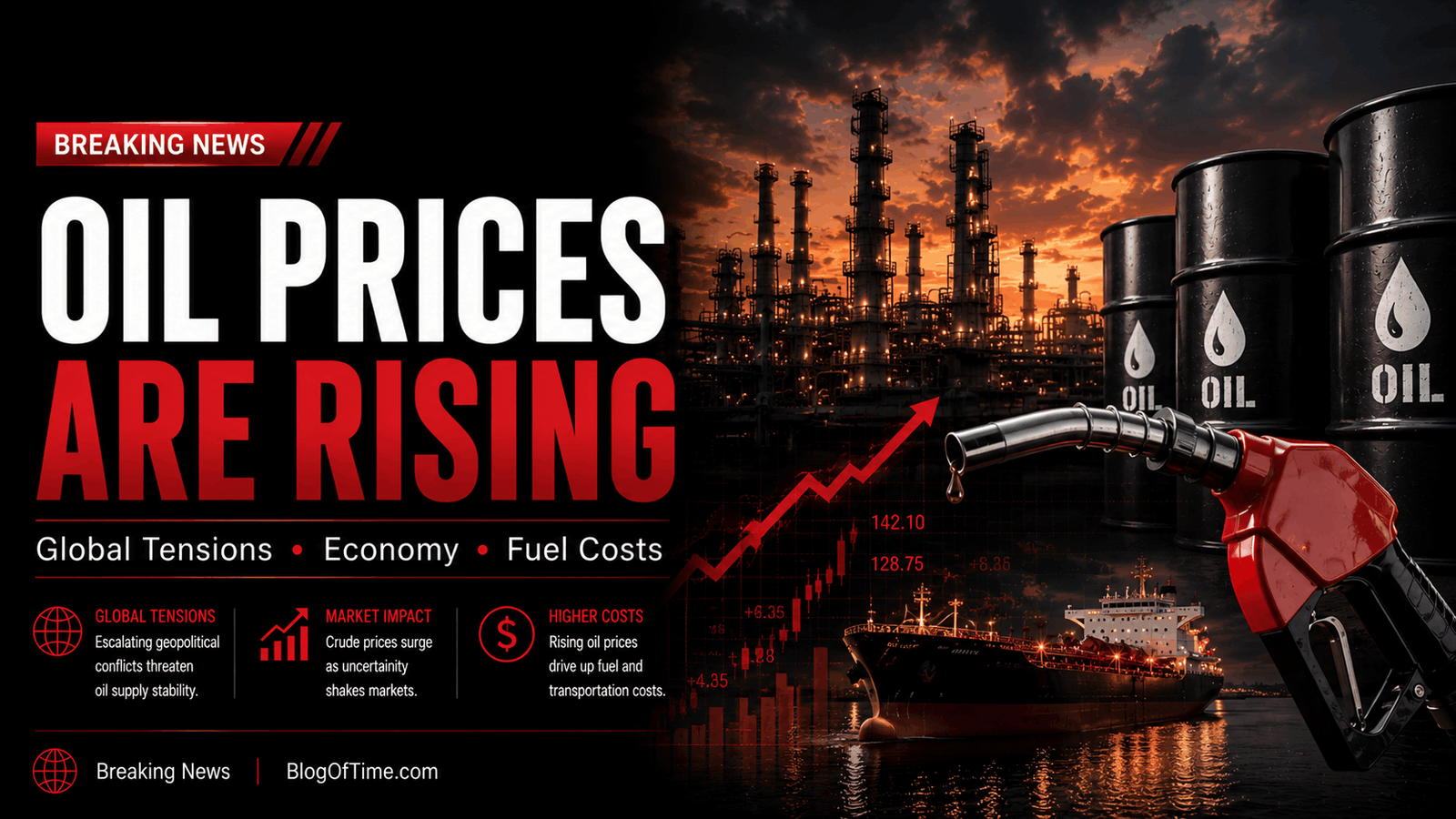
Oil prices rise when the world fears less supply or sees more demand, and global tensions usually push them up. A higher crude price matters far beyond the petrol pump. It raises transport costs, then the price of food and goods, and it can lift inflation. India imports most of the crude oil it uses, so these swings reach Indian households and businesses quickly. This piece was first published on 26 June 2026. Oil moves fast, so check current prices before you act on anything here.
What is crude oil and why does its price matter?
Crude oil is the raw, unrefined oil pumped from the ground. Refineries turn it into petrol, diesel, aviation fuel, LPG, and the raw material for plastics, fertilisers and chemicals. So when crude gets costlier, a long list of products gets costlier too.
Brent and WTI
You will often see two names in oil news: Brent and WTI.
- Brent is the global benchmark. Much of the world's oil trade is priced against it.
- WTI (West Texas Intermediate) is the main benchmark in the United States.
The two usually move in the same direction. Indian refiners mostly watch Brent and similar benchmarks when they buy crude.
Why it moves global markets
Almost every industry uses fuel in some way. Trucks, ships, planes, farms and factories all depend on it. That is why oil is called a "master input". When it gets expensive, costs rise across the economy, and stock markets, currencies and government budgets all react.
Why are oil prices rising?
No single cause explains every rise. Several forces work together, and the mix changes over time.
- Geopolitical tensions. Many large oil producers are in politically sensitive regions. When conflict or sanctions threaten their output, traders expect less supply and bid prices up, often before any oil is actually lost.
- Supply concerns. Lower output, ageing fields, or fewer exports can leave the market short. Even the fear of a shortage lifts prices.
- Shipping disruptions. Oil travels by sea through a few narrow routes. If tankers must take longer routes or face risks, delivery costs and delays rise, and so does the final price.
- OPEC+ production decisions. OPEC+ is a group of major oil exporters. When it cuts output or holds it back, supply tightens and prices usually firm up.
- Demand recovery. When economies grow and people travel and ship more, they use more fuel. Rising demand against steady supply pushes prices higher.
- Currency fluctuations. Oil is priced in US dollars. If the dollar strengthens, oil gets costlier for countries using other currencies. For India, a weaker rupee makes the same barrel cost more in rupees.
I cannot say from the original article which of these is the main driver right now. Look at current reports on supply and shipping before you decide which one matters most today.
How do rising oil prices affect your household in India?
The effect comes through several routes. Some are direct and quick. Others are slow and easy to miss.
Petrol and diesel
This is the most visible effect. Indian retail fuel prices do not follow global crude one for one. Oil marketing companies set pump prices, and taxes from the Centre and the states make up a large part of what you pay. Because of this, pump prices can stay steady for a while even when crude moves. But if crude stays high for long, the pressure builds on oil companies and on government finances. Eventually it can show up at the pump.
Food and groceries
Vegetables, milk, grain and packaged food mostly travel by truck, and trucks run on diesel. Higher diesel costs raise freight charges. Traders and shops often pass that on, so your monthly grocery bill can rise a little even when the farm price has not changed.
Electricity
The link here is weaker in India than in countries that burn oil or gas for power, because much Indian electricity comes from coal and other sources. Still, higher fuel costs can raise costs for industry and for backup diesel generators. Your home power bill is less exposed than your fuel and grocery bills.
Airline tickets
Aviation fuel is a major cost for airlines. When it rises, airlines tend to raise fares or add fuel charges. If you plan to travel, book early and compare prices.
Daily transport
Auto, taxi and cab fares, bus tickets and delivery charges all depend on fuel. Even if you never drive, you pay through the things you buy and the rides you take.
How do higher oil prices push up inflation?
Think of fuel as a cost that sits inside almost everything. A farmer uses diesel for a tractor and pump. A trucker uses diesel to carry the produce. A shop owner pays for delivery to the store. Each step adds a little cost, and the final buyer pays the total.
Economists call this a "cost-push" effect. Prices rise because it costs more to make and move goods, not because people suddenly want to buy more. It is also called a second-round effect when higher prices lead workers to ask for higher pay, which pushes costs up again.
When inflation rises, the Reserve Bank of India may keep interest rates higher for longer to cool prices. That can keep home loan and car loan EMIs from falling. So a jump in crude can reach your loan payments, not just your shopping bill.
How do oil prices affect businesses?
Fuel is a cost for nearly every company. Firms can absorb it, raise prices, or cut other spending. Which one they choose depends on how much fuel they use and how much pricing power they have.
| Sector | How higher oil prices hit it |
|---|---|
| Logistics | Diesel is a large part of trucking and shipping costs, so freight rates rise. |
| Manufacturing | Fuel and petroleum-based inputs such as plastics and chemicals cost more. |
| Aviation | Aviation fuel is a big expense, which squeezes margins or lifts fares. |
| Retail | Transport and supply chain costs rise, and shoppers may spend less. |
| Agriculture | Diesel for machines and pumps, and fertiliser costs linked to energy, go up. |
| E-commerce | Last-mile delivery and long-distance shipping become costlier. |
Small businesses feel this most. A large company can often hedge or negotiate fuel prices. A small transporter or a local delivery shop usually cannot.
Which industries can benefit?
Not everyone loses when oil rises.
- Oil and gas. Producers and explorers often earn more per barrel. Refiners and fuel sellers are different, because their costs rise too.
- Renewable energy. Solar and wind look more attractive when fossil fuels get expensive.
- EV manufacturers. Costly petrol makes electric vehicles more appealing to buyers who are weighing running costs.
- Energy infrastructure. Pipelines, storage and charging or grid projects can see more interest.
Be careful about treating this as an investing tip. A sector can benefit from high oil prices and still be a poor buy if its share price has already jumped. Do your own research or speak to a registered adviser.
What can you do about rising oil prices?
You cannot control crude prices, but you can limit how much they hurt your budget.
- Drive efficiently. Keep a steady speed, avoid hard braking, switch off the engine at long stops, and check tyre pressure. These habits save fuel at no cost.
- Use public transport when it suits you. Metro, bus and train often cost less than a daily car or bike commute. Carpooling splits the fuel bill.
- Plan your budget. Add a small cushion for fuel and groceries. Track your spending for a month so you know where the money goes.
- Cut unnecessary trips. Combine errands into one outing and use online services when delivery is free or cheap.
- Choose energy-efficient appliances. A higher star rating costs more upfront but lowers your power bill over the years.
Common mistakes to avoid
- Rushing to fill the tank because of a news headline. It saves nothing and the price rarely jumps overnight.
- Making big financial decisions out of panic, such as selling investments or taking costly loans.
- Ignoring small leaks in the budget. Many small fuel and delivery costs add up.
Can oil prices fall again, and what should you watch?
Yes, they can. Oil prices have gone up and down many times, and nobody can predict the next move with confidence. A price rise driven by fear often fades if the feared disruption does not happen. A rise driven by real shortages lasts longer.
Here is what to watch:
- Geopolitical news. Easing tensions can calm prices. New conflict can push them up.
- OPEC+ decisions. Changes in output targets shift supply expectations.
- Shipping routes. Any safe reopening or fresh blockage changes delivery costs.
- Demand signals. Slower economic growth lowers fuel use and can pull prices down.
- The rupee-dollar rate. A weaker rupee keeps import costs high even if crude itself eases.
- Government and oil company moves. Tax changes or pricing decisions affect what you pay at the pump.
Since this article first appeared in June, markets may have changed. Check the latest Brent price and recent news rather than relying on a figure from months ago.
Frequently asked questions
Why are oil prices increasing?
Usually several things act together: geopolitical tensions, fears about supply, shipping disruptions, production decisions by OPEC+, recovering demand, and a stronger dollar. The mix changes over time, so check recent news for the main driver today.
How do oil prices affect petrol and diesel?
Crude is the main raw material for both fuels, so higher crude raises refiners' costs. In India, though, taxes and pricing decisions by oil companies and the government mean pump prices do not move in step with global crude. The effect can be delayed or smoothed out.
Will higher oil prices increase inflation?
Often yes. Fuel is part of the cost of moving and making almost everything, so higher oil tends to lift prices of food and goods. The size of the effect depends on how long prices stay high and on government and central bank action.
Can oil prices fall again?
Yes. Prices can drop if tensions ease, supply improves, or demand weakens. No one can time this reliably, so plan your budget for both a rise and a fall.
Oil prices shape far more than the cost of petrol. They touch transport, food, business costs, inflation and your monthly budget. The best response is calm preparation: cut fuel waste, plan for slightly higher costs, and follow reliable news instead of reacting to every headline, because energy markets can turn quickly with global events and policy decisions.