Content options
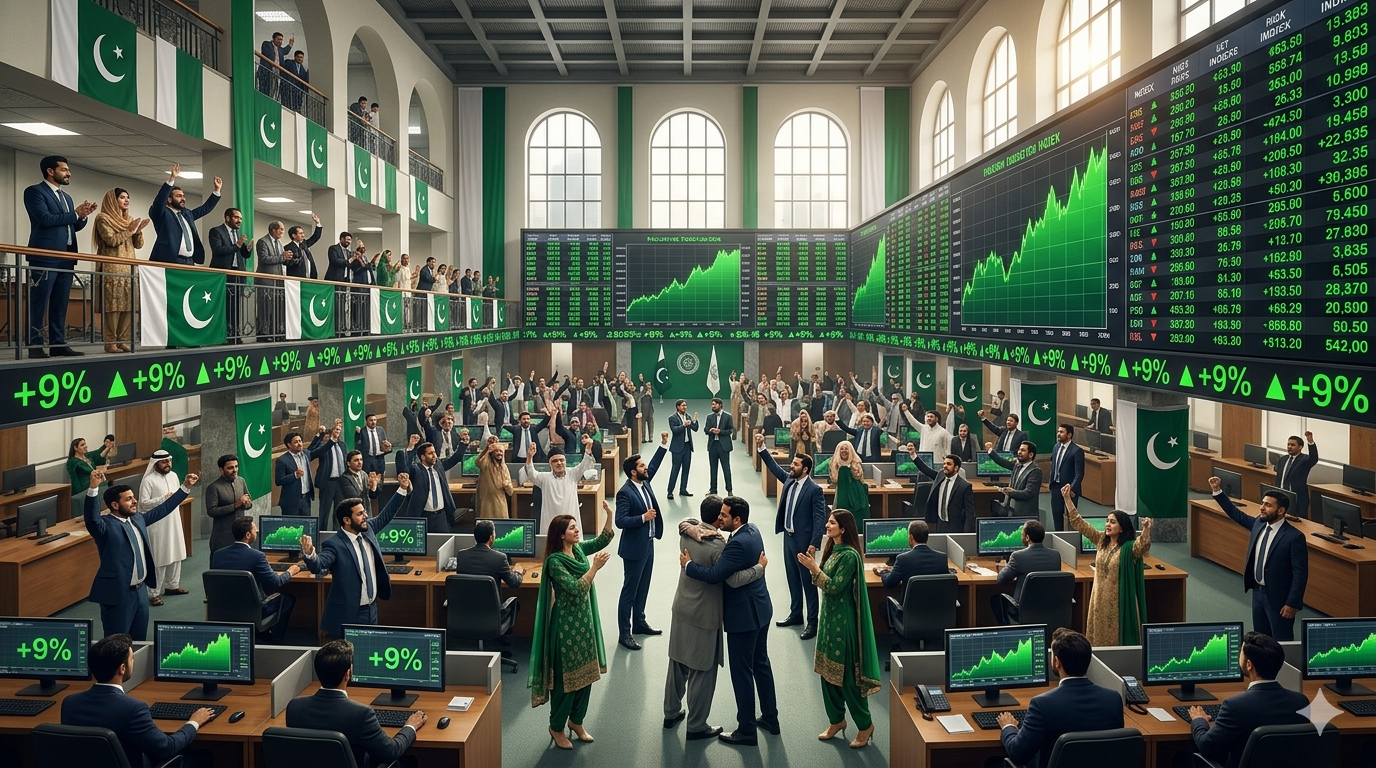
The number 1,65,836 may not mean anything to most people. But to investors watching Pakistan's stock exchange on that historic trading session in 2026, it was the kind of number you screenshot and tell your grandchildren about. The KSE-100 index gained approximately 14,000 points in a single day. That is a 9 percent move. In one session. And it came after weeks of fear, falling markets, and genuine uncertainty about whether the region would slide into a wider conflict.
Understanding why this happened, what it means, and whether it will last is important not just for investors in Pakistan, but for anyone interested in how geopolitics moves money across the world.
Why Pakistan's Market Moves This Dramatically
Pakistan's KSE-100 is what financial analysts classify as a frontier market. This means it is smaller, less liquid, and more concentrated than an emerging market like India's NSE. Fewer institutional players control larger portions of market cap, which means news events produce outsized reactions in both directions.
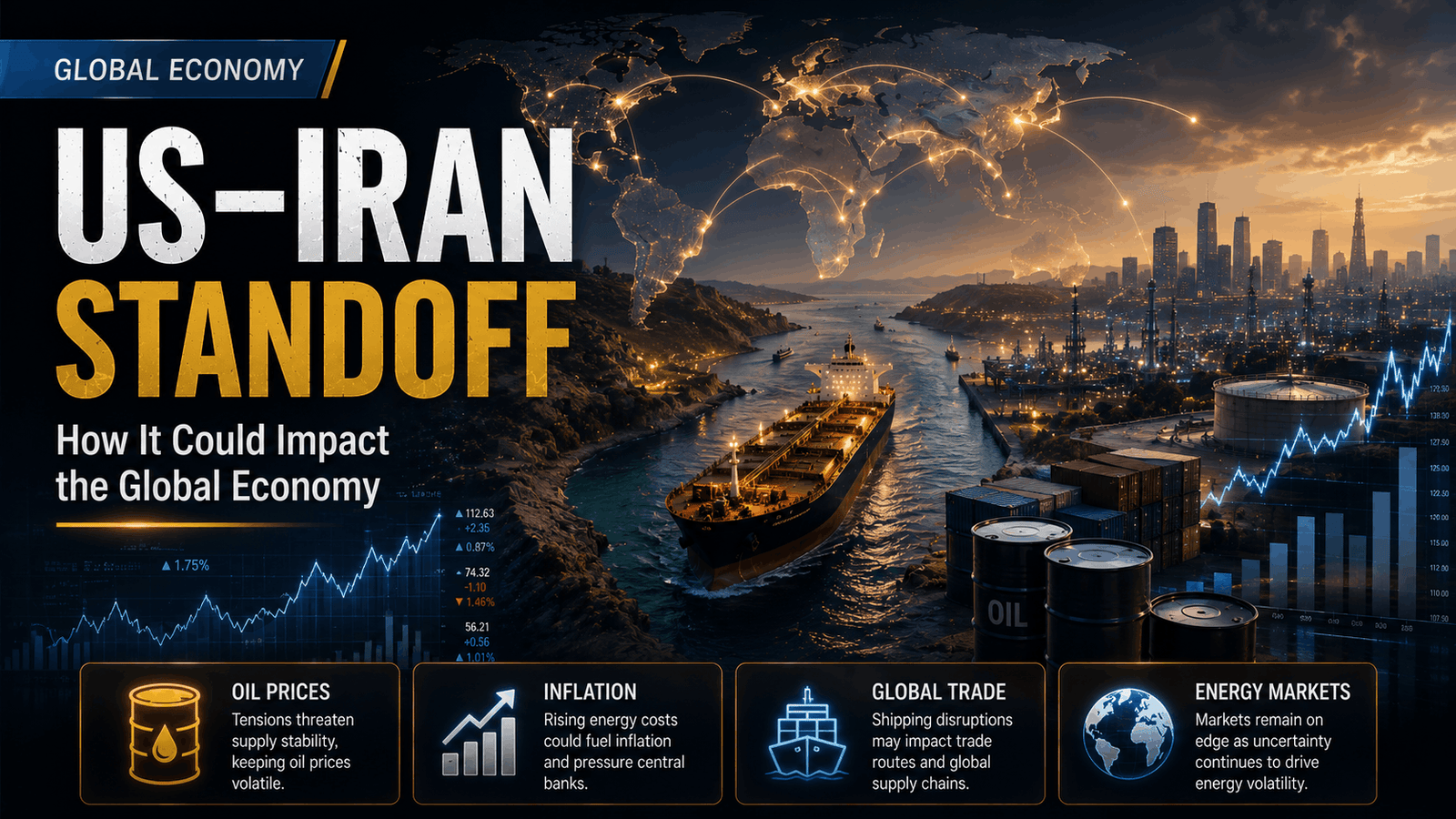
When a regional crisis erupts — as it did in May 2026 when India-Pakistan military tensions escalated — foreign institutional investors exit their positions rapidly. This amplifies the initial fall. When peace returns, the reverse happens with equal speed. The same investors who sold in a panic now buy aggressively to re-enter positions they believe will recover quickly. This is exactly what happened after the US-Iran ceasefire announcement. Read more about global financial markets on BlogofTime.com.
The Structural Story Behind the Rally
Beyond the immediate geopolitical trigger, Pakistan's stock market had genuine economic tailwinds building through 2025 and into 2026. The country's IMF Extended Fund Facility brought financial discipline, controlled fiscal spending, and credibility to external lenders. Inflation, which peaked above 35 percent in 2023, fell dramatically — creating space for the State Bank of Pakistan to cut interest rates. When rates fall, equity markets benefit because the cost of capital decreases and companies become more attractive to investors.
Foreign exchange reserves, which had fallen to critical lows in 2022 and 2023, recovered to safer levels. Remittances from Pakistanis abroad continued to flow in at record rates. These structural improvements meant that when geopolitical fear eased, the market did not just recover — it surged, because the underlying economic story was actually improving.
Risks That Could Reverse the Rally
- Return of regional tension: Any fresh escalation between India and Pakistan would trigger another rapid selloff
- IMF review setbacks: If Pakistan misses an IMF structural benchmark, the programme could be paused, removing the market's most important stability anchor
- Currency pressure: A weakening Pakistani rupee erodes real returns for any foreign investor, creating an additional reason to exit quickly
- Inflation reversal: If global energy prices surge or domestic supply chains are disrupted, inflation could return, forcing the State Bank to raise rates again
- Political uncertainty: Pakistan's domestic politics remain volatile and any major political crisis could trigger rapid capital outflows