Content options
Technology has never moved faster. And for the first time in recent memory, the speed of change is not just happening in research labs or Silicon Valley offices. It is landing in your home, your hospital, your car, and the classroom down the street. The year 2026 marks a genuine inflection point where several converging technologies cross from experimental to everyday simultaneously.
You do not need to be a programmer or an engineer to understand what is coming. You just need to know where to look. Here are the 10 technology trends in 2026 that will affect your life most directly, explained in plain language.
1. Autonomous AI Agents Take Over Routine Work
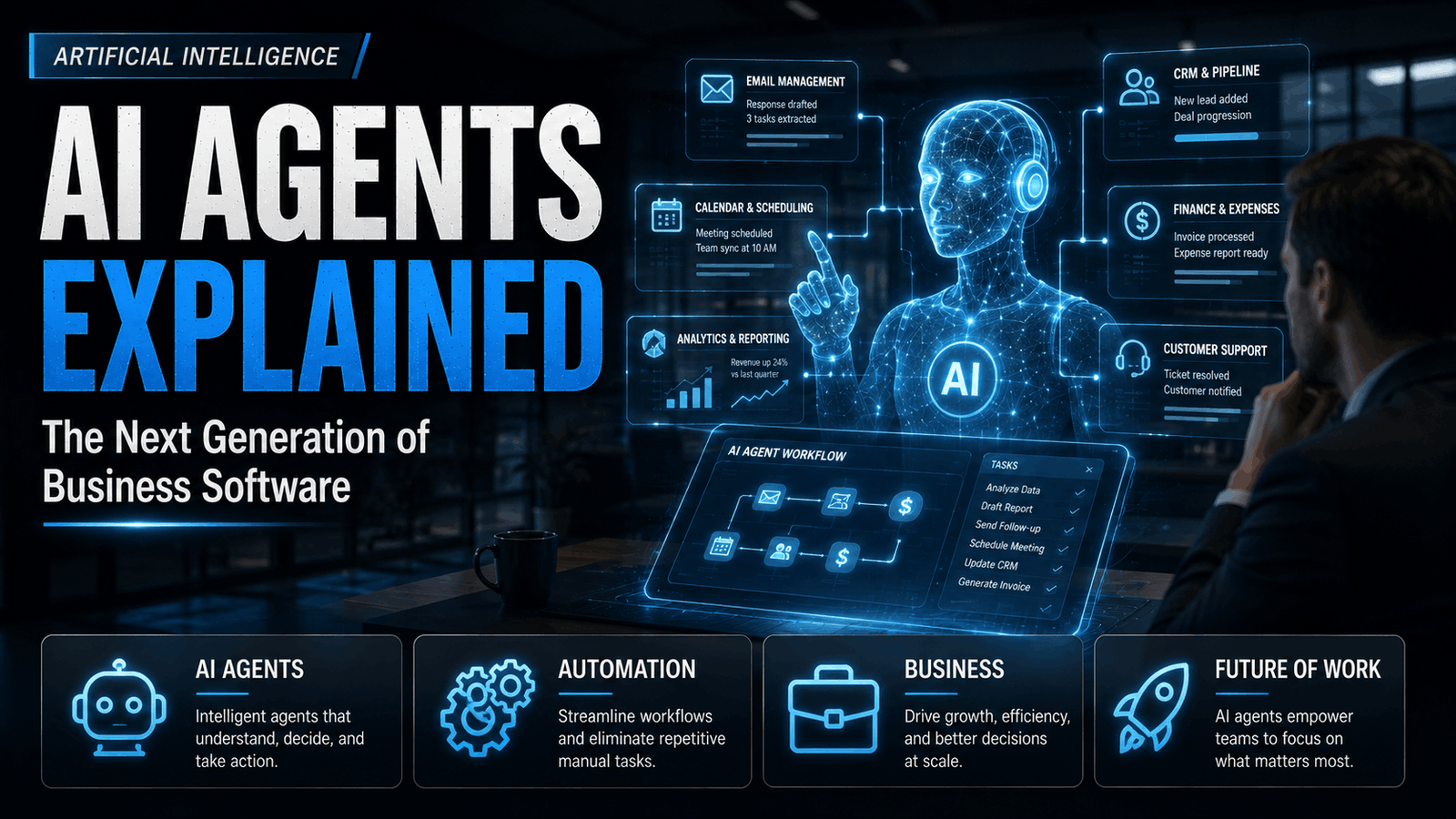
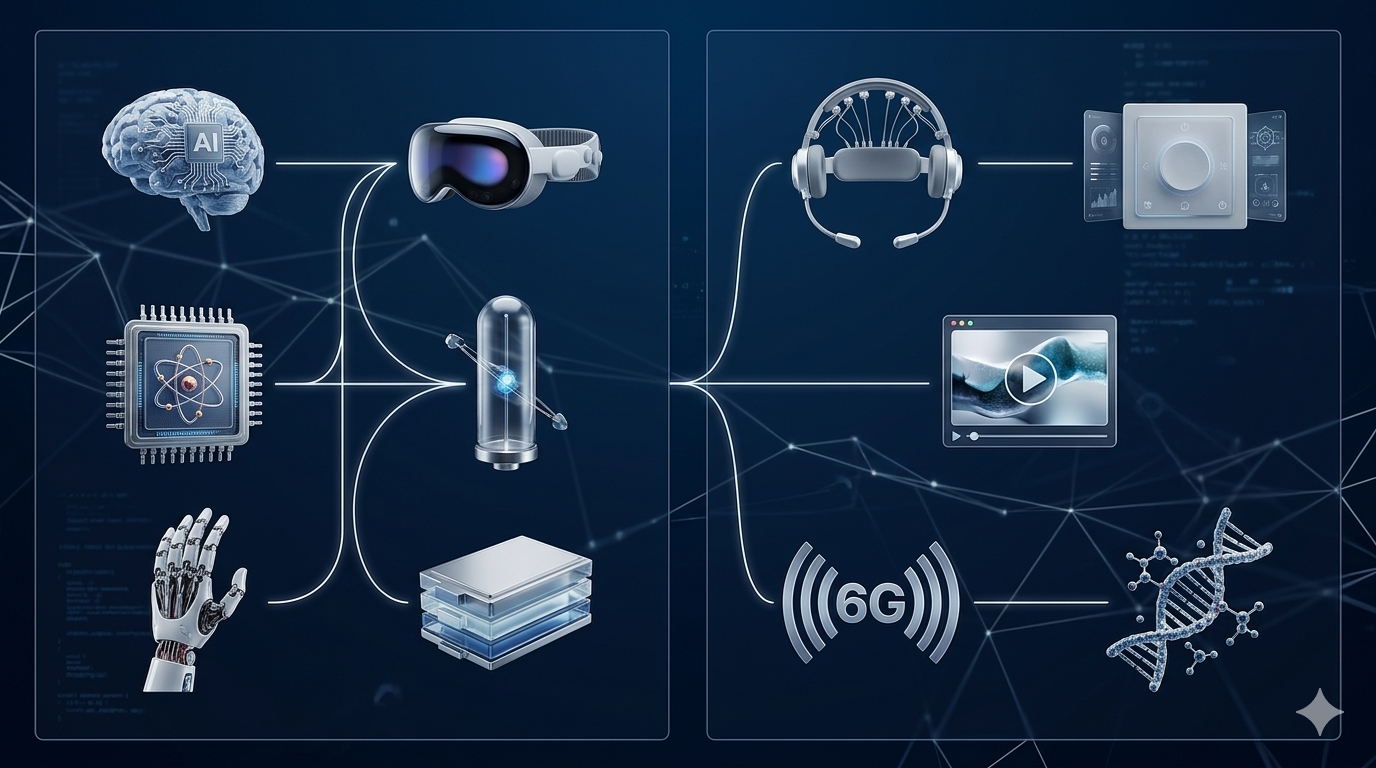
The biggest shift in 2026 is not chatbots. It is AI agents. These are software systems that take a goal, plan the steps to achieve it, use tools like the internet and databases, and complete the task without needing you to hold their hand at every step. Companies like OpenAI, Google, and Anthropic have deployed agent systems that book appointments, conduct research, write reports, manage email, and execute software code based on a single instruction. By 2026, over 50 million workers globally interact with AI agents daily. This is not automation that replaces a button press. This is automation that replaces a chain of decisions.
2. Spatial Computing Becomes Your New Screen
Mixed reality headsets from Apple, Meta, and Samsung are turning physical space into a computing surface. You look at your kitchen table and see your calendar pinned to it. You glance at a street and see restaurant reviews floating above the doors. Spatial computing overlays digital information onto the real world in ways that feel completely natural. In 2026, enterprise adoption is leading — surgeons use spatial overlays during operations, engineers see maintenance data floating above industrial equipment, and architects walk through buildings before a single brick is laid.
3. Quantum Computing Crosses the Practical Threshold
Quantum computers have been "almost ready" for years. In 2026, they cross the line from laboratory curiosity to genuine competitive tool. IBM, Google, and Microsoft have released quantum processors stable enough for specific commercial workloads including drug molecule simulation, financial portfolio optimization, and logistics routing. While general-purpose quantum computing is still years away, these early commercial applications represent a genuine technological crossing point. According to IBM Quantum, enterprise quantum-as-a-service is growing at over 80 percent annually.
4. Humanoid Robots Enter Workplaces and Homes
Tesla's Optimus, Figure AI's Figure 02, and Boston Dynamics' humanoid platforms are no longer just demonstration videos. In 2026, humanoid robots work in Amazon warehouses, BMW assembly lines, and hospital supply rooms. They walk on two legs, pick up objects, navigate obstacles, and respond to voice commands. Home versions are in beta testing for elderly care. The robotics industry is growing at 25 percent annually and the humanoid segment is growing even faster.
5. Energy Storage Breakthroughs Power Everything Differently
Solid-state batteries from Toyota, QuantumScape, and CATL are entering production in 2026. These batteries charge faster, store more energy, and last longer than the lithium-ion cells powering devices today. The ripple effect touches everything from electric vehicle range to grid-scale energy storage for renewable power. A solid-state EV battery in 2026 offers 30 percent more range and can charge to 80 percent in under 10 minutes. This single technology change makes electric vehicles genuinely superior to petrol cars for most use cases.
6 to 10. The Other Five Trends Shaping 2026
| Trend | What It Does | Where You'll See It |
|---|---|---|
| Brain-Computer Interfaces | Lets you control devices with your thoughts | Medical (paralysis recovery), early consumer testing |
| Ambient Computing | Technology embedded in environments, no screens needed | Smart homes, hospitals, retail stores |
| Generative Video | AI creates full cinematic video from text descriptions | Marketing, entertainment, journalism |
| 6G Network Rollout (Early) | 100x faster than 5G, ultra-low latency | South Korea, Japan, pilot cities globally |
| Personalized Medicine AI | AI analyzes your genome and lifestyle to design treatments | Private hospitals, major health insurers |