Content options
Health is no longer just about eating less and moving more. The science of how the human body actually works — at the cellular, hormonal, and neurological level — has advanced so dramatically in the past five years that the old advice sounds almost quaint. In 2026, the most effective approaches to staying fit and living longer look very different from what you grew up hearing. Here is what is actually working.
Trend 1: Longevity Science Goes Mainstream
Longevity medicine — the science of slowing biological aging — has moved from anti-aging clinics for the wealthy to accessible protocols for everyone. In 2026, millions of people follow longevity-focused routines built around strength training, Zone 2 cardio, sleep optimization, and evidence-based supplements like NMN, resveratrol, and metformin. Books like Peter Attia's "Outlive" sparked a cultural shift toward thinking about health over a 50-year horizon rather than managing symptoms as they appear. The goal has changed from treating illness to avoiding it entirely.
Trend 2: Zone 2 Training Is the New HIIT
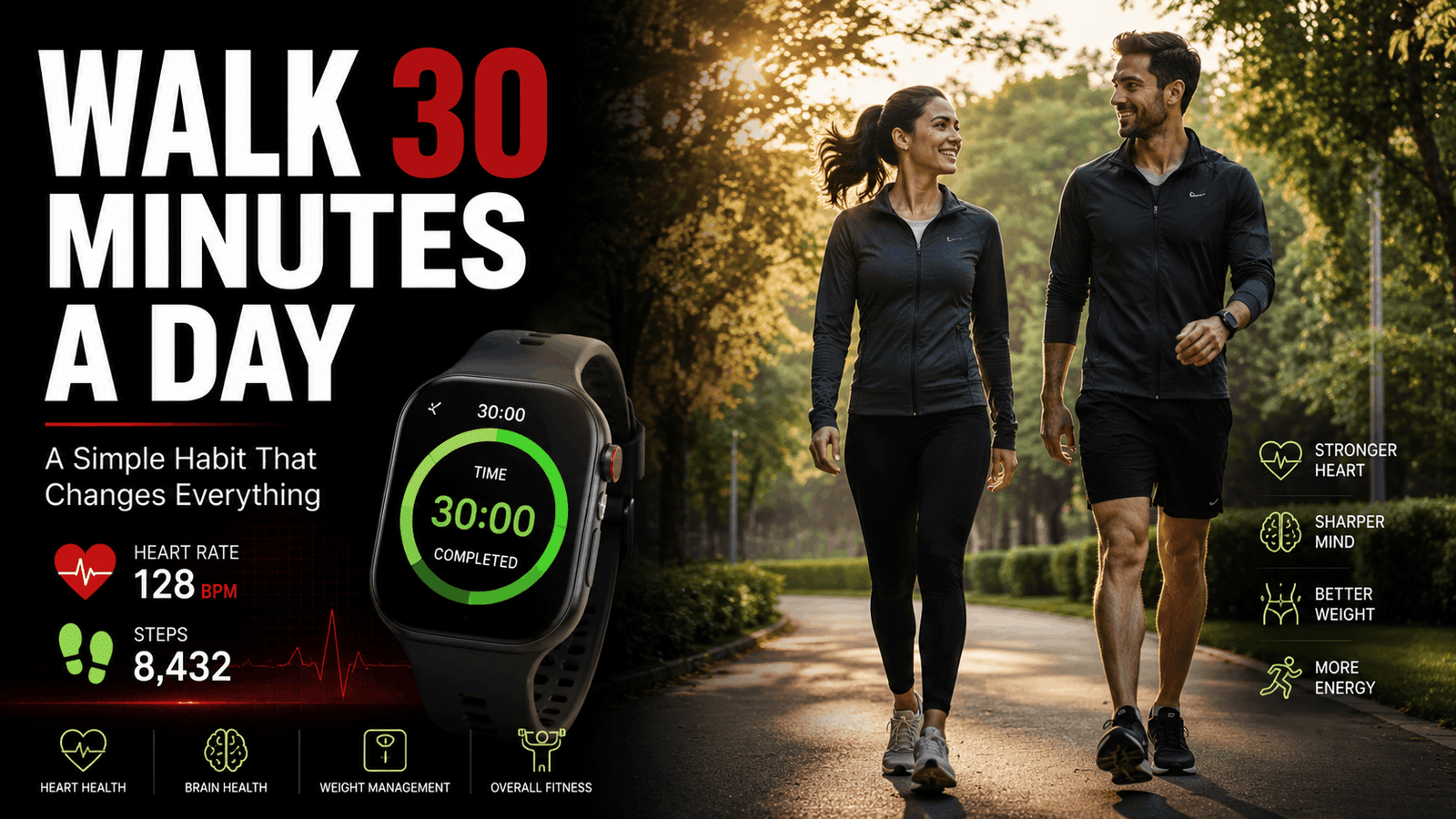
Everyone went crazy for high-intensity interval training (HIIT) in the 2010s. The 2026 science says something different: Zone 2 training — sustained moderate-intensity cardio at 60 to 70 percent of maximum heart rate — produces superior long-term cardiovascular health, mitochondrial density, and fat oxidation capacity. Zone 2 means you can hold a conversation while exercising. You are not gasping. You are not sprinting. You are maintaining a steady effort for 30 to 60 minutes. This is how elite endurance athletes and longevity-focused doctors alike structure their cardio in 2026.
Trend 3: Continuous Glucose Monitoring for Everyone
Continuous glucose monitors (CGMs) were previously only for diabetic patients. In 2026, non-diabetic health enthusiasts use them widely to understand how specific foods affect their blood sugar, how stress spikes their glucose, and how sleep quality influences their metabolic response to meals. This personalized data reveals that the same food affects different people's blood sugar very differently — which is why generic dietary advice often fails. Companies like Levels Health and Supersapiens have made CGMs accessible and understandable for everyday users.
Trend 4: AI Health Coaches Personalize Your Entire Wellness Protocol
AI health coaching apps in 2026 combine your wearable data, food logs, sleep patterns, stress levels, and genetic information to produce a continuously updated, completely personalized wellness plan. These apps adjust your recommendations daily based on what your data shows is actually working for your specific body. According to the World Health Organization, digital health interventions have shown up to 40 percent improvement in chronic disease management outcomes compared to generic advice. Read our full health and wellness section at BlogofTime.com.
| Health Trend | What It Does | Who It's For | Starting Point |
|---|---|---|---|
| Zone 2 Cardio | Builds mitochondrial efficiency and cardiovascular health | Everyone, especially 30 plus age group | 30 min brisk walk 4x per week |
| Gut Microbiome Optimization | Improves immunity, mood, digestion, and metabolic health | Anyone with digestive or mood issues | Add fermented foods and diverse fiber daily |
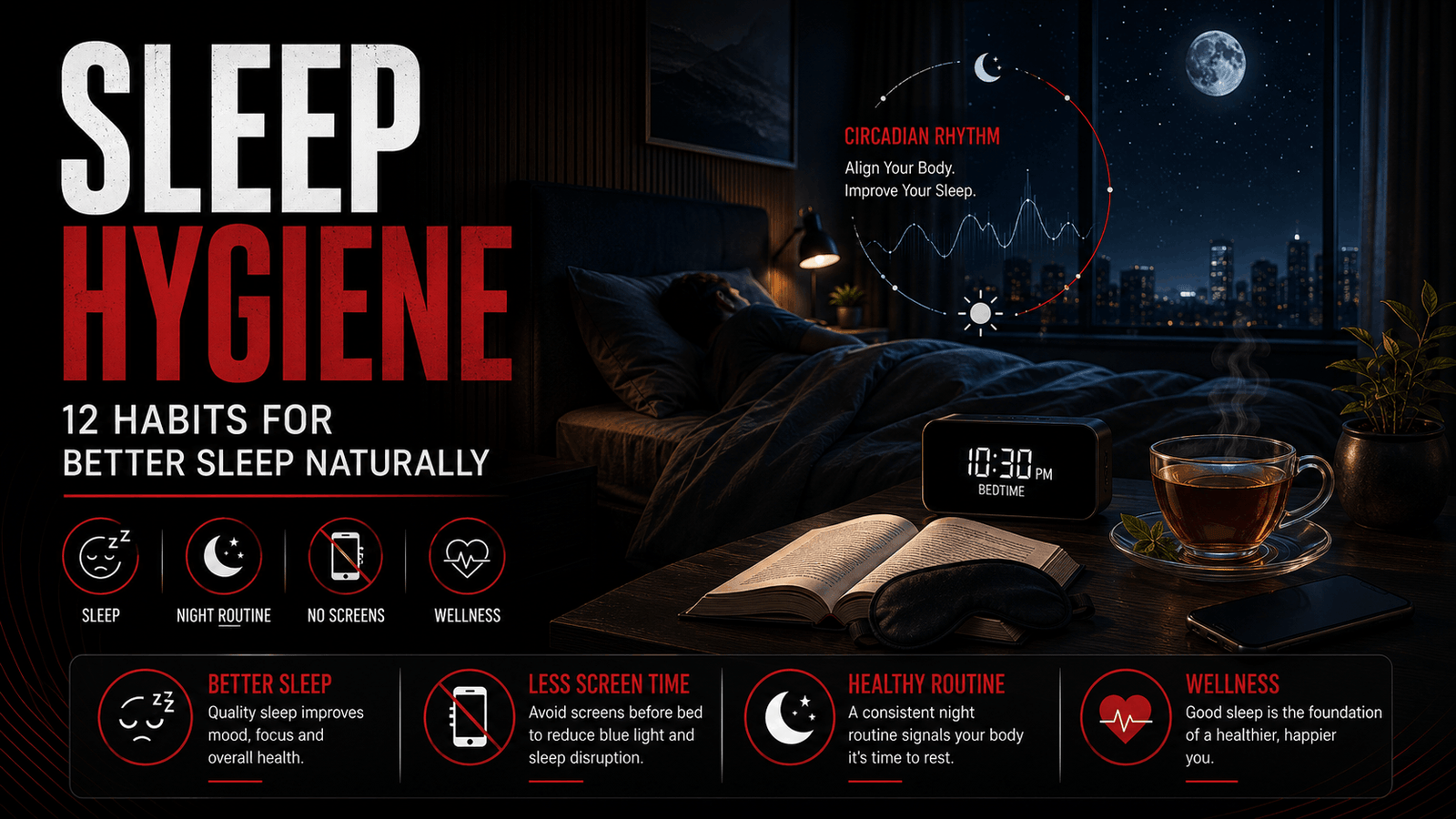
| Sleep Protocol Science | Deep sleep triggers cellular repair and hormonal optimization | Anyone who feels tired despite sleeping | Consistent sleep and wake time, cool dark room |
| Strength Training for Longevity | Preserves muscle mass and bone density as you age | Adults over 35 especially | 2 resistance sessions per week minimum |