Content options
Introduction
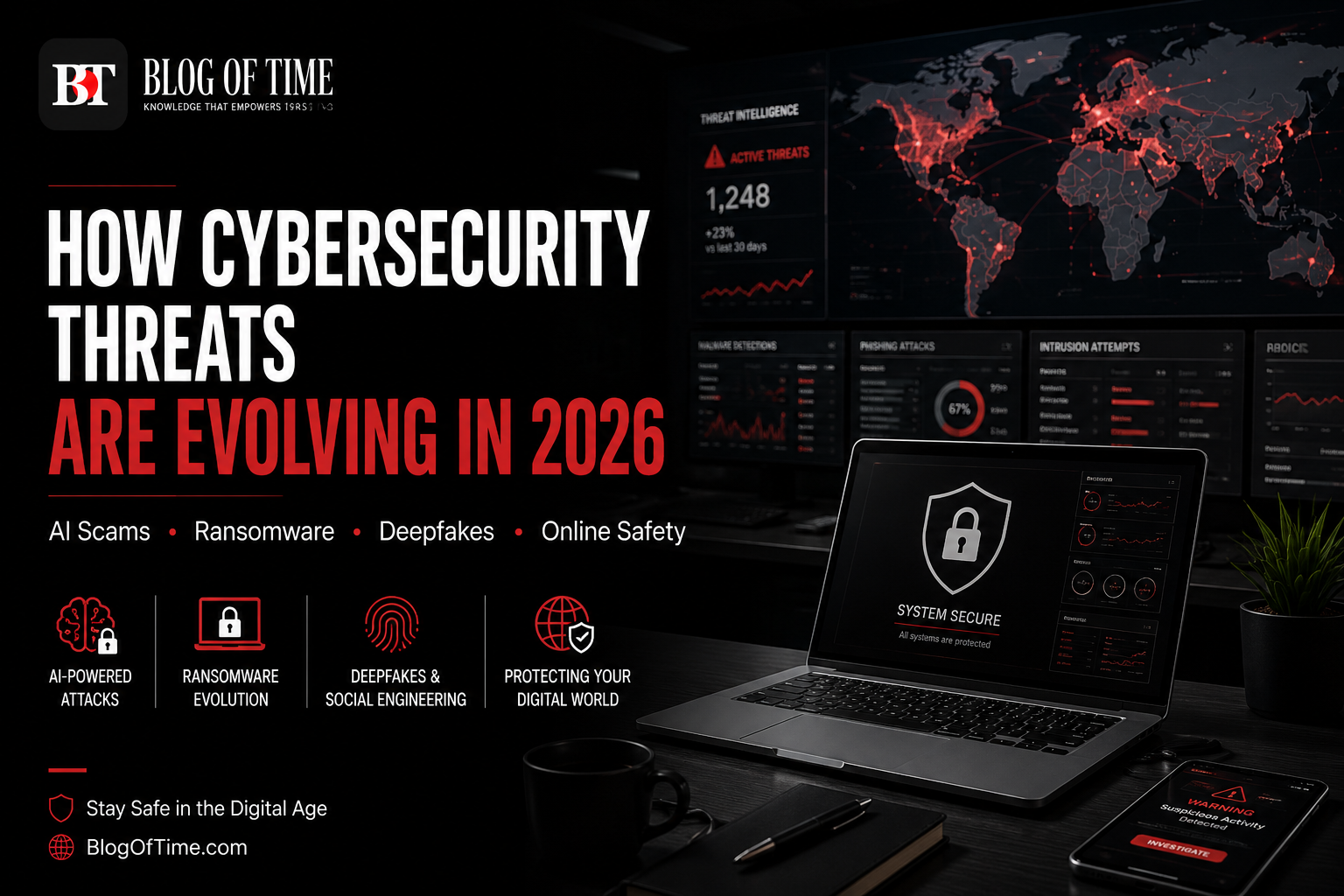
As technology continues to advance, cybercriminals are becoming more sophisticated in their methods. In 2026, cybersecurity is no longer just an IT concern—it has become a critical issue for individuals, businesses, governments, and organizations worldwide.
From ransomware attacks and phishing scams to AI-powered cyber threats, digital security risks are evolving rapidly. With more people working remotely, shopping online, and storing sensitive information in the cloud, the need for cybersecurity awareness has never been greater.
Understanding how cyber threats are changing can help individuals and businesses stay protected in an increasingly connected world.
Why Cybersecurity Matters More Than Ever
Every day, millions of cyber attacks occur across the globe.
These attacks target:
- Personal devices
- Business networks
- Financial accounts
- Government systems
- Cloud platforms
A successful cyber attack can result in:
- Financial losses
- Identity theft
- Data breaches
- Reputation damage
- Operational disruption
Cybersecurity is no longer optional—it is essential.
1. AI-Powered Cyber Attacks
Artificial Intelligence is helping businesses improve productivity, but it is also being used by cybercriminals.
Attackers can now use AI to:
- Create convincing phishing emails
- Automate cyber attacks
- Identify system vulnerabilities
- Generate realistic fake content
These attacks are becoming harder to detect because they appear more authentic than traditional scams.
2. Advanced Phishing Scams
Phishing remains one of the most common cyber threats.
However, modern phishing attacks have become more sophisticated.
Examples include:
- Fake banking emails
- Fraudulent login pages
- Social media impersonation
- Business email compromise scams
Cybercriminals are increasingly using personalized information to make scams appear legitimate.
3. Ransomware Continues to Grow
Ransomware attacks lock access to important files and demand payment for their release.
Businesses are often targeted because:
- Operations depend on data
- Downtime is costly
- Sensitive information is valuable
Small businesses are becoming frequent targets due to weaker security systems.
4. Cloud Security Risks
More organizations are moving data to cloud platforms.
While cloud services offer convenience, they also introduce new security challenges.
Common risks include:
- Misconfigured systems
- Weak passwords
- Unauthorized access
- Data leaks
Proper cloud security practices are essential for protecting sensitive information.
5. Mobile Device Threats
Smartphones contain vast amounts of personal and financial information.
Cybercriminals target mobile users through:
- Malicious apps
- Fake updates
- SMS scams
- Public Wi-Fi attacks
As mobile usage continues to grow, mobile security becomes increasingly important.
6. Deepfake and Identity Fraud
Deepfake technology can create realistic fake videos, audio recordings, and images.
Potential risks include:
- Financial fraud
- Identity theft
- Fake business communications
- Social engineering attacks
Verifying information from trusted sources is becoming more important than ever.
How Individuals Can Stay Safe
Use Strong Passwords
Create unique passwords for every account.
Consider using a password manager.
Enable Two-Factor Authentication
Two-factor authentication adds an extra layer of protection.
Even if a password is compromised, attackers face additional barriers.
Keep Software Updated
Regular updates often contain important security patches.
Outdated software creates opportunities for cybercriminals.
Avoid Suspicious Links
Never click links from unknown or suspicious sources.
Verify websites before entering personal information.
Back Up Important Data
Regular backups can reduce the impact of ransomware attacks and data loss.
How Businesses Can Improve Cybersecurity
Employee Training
Human error remains one of the biggest cybersecurity risks.
Train employees to recognize:
- Phishing attempts
- Suspicious emails
- Social engineering tactics
Security Audits
Regular security assessments help identify vulnerabilities before attackers do.
Access Control
Limit access to sensitive information based on job responsibilities.
Endpoint Protection
Protect devices connected to company networks.
Incident Response Plans
Businesses should prepare for cyber incidents before they occur.
A well-defined response plan can minimize damage and recovery time.
The Future of Cybersecurity
Cybersecurity will continue to evolve alongside technology.
Emerging trends include:
- AI-powered defense systems
- Zero Trust Security Models
- Behavioral Analytics
- Advanced Threat Detection
- Stronger Data Privacy Regulations
Organizations that invest in cybersecurity today will be better prepared for future threats.
Conclusion
Cybersecurity threats in 2026 are more advanced, targeted, and sophisticated than ever before. From AI-powered attacks and ransomware to deepfakes and cloud vulnerabilities, individuals and businesses face a growing range of digital risks.
The good news is that proactive security measures can significantly reduce these threats. By staying informed, adopting strong security practices, and prioritizing cyber awareness, both individuals and organizations can better protect themselves in an increasingly digital world.
Cybersecurity is not just about technology—it is about preparation, awareness, and resilience.
FAQs
What is the biggest cybersecurity threat in 2026?
AI-powered phishing and ransomware attacks are among the fastest-growing cybersecurity threats.
How can I protect myself from cyber attacks?
Use strong passwords, enable two-factor authentication, keep software updated, and avoid suspicious links.
Why are small businesses targeted by cybercriminals?
Many small businesses have limited cybersecurity resources, making them attractive targets.
What is ransomware?
Ransomware is malicious software that locks files or systems and demands payment to restore access.
Is cybersecurity important for individuals?
Yes. Personal devices contain valuable information that cybercriminals can exploit for fraud, identity theft, and financial crimes.